



What's Happening?
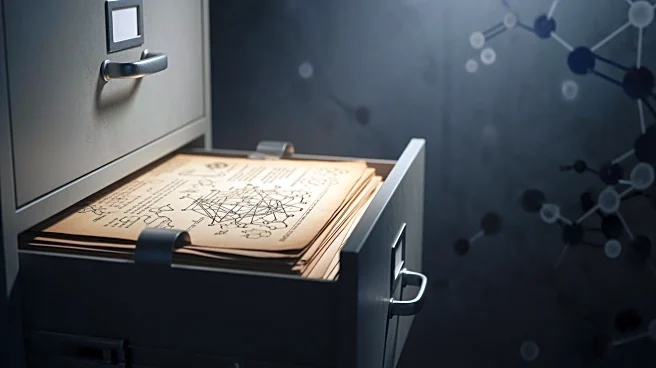
A declassified CIA document from over 60 years ago has resurfaced, sparking controversy and misinformation on social media. The document, made public in 2011, details research from 1950 in Leningrad, Russia, exploring similarities between parasitic worms
and cancerous tumors. The report noted that a drug, Myracyl D, was effective against both parasites and tumors, but did not claim it as a cancer cure. Despite this, social media users have falsely claimed the CIA withheld a cancer cure, fueling distrust in government agencies.
Why It's Important?
The resurfacing of this document highlights ongoing public skepticism towards government transparency, particularly concerning health-related information. The spread of misinformation can exacerbate distrust in public institutions and complicate efforts to communicate scientific findings accurately. This incident underscores the need for clear and responsible dissemination of declassified information to prevent misinterpretation and conspiracy theories.
What's Next?
The CIA and other government agencies may need to address the public's concerns and clarify the contents of the document to mitigate misinformation. This situation could prompt a review of how declassified documents are released and communicated to the public. Additionally, there may be increased scrutiny on historical research and its implications for current scientific understanding.