





What's Happening?
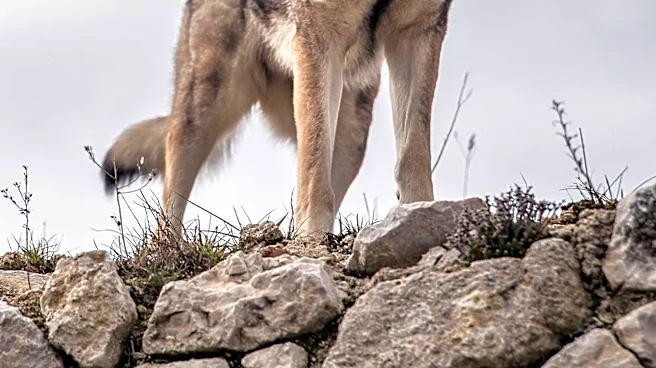
In California, the return of gray wolves has led to increased predation on cattle, causing concern among ranchers. A letter to the editor in the Los Angeles Times suggests that the use of guard dogs could mitigate this issue. The letter argues that guard dogs do not
need to physically confront wolves; instead, their barking can alert herders to the presence of predators, deterring wolves from attacking livestock. This method has been successfully used in Africa to protect livestock from lions and hyenas. The suggestion comes amid debates on how to balance wildlife conservation with agricultural interests.
Why It's Important?
The reintroduction of gray wolves in California highlights the ongoing challenge of managing wildlife conservation alongside agricultural practices. The suggestion to use guard dogs offers a non-lethal method to protect livestock, which could reduce conflicts between ranchers and conservationists. This approach may also serve as a model for other regions facing similar issues, promoting coexistence between humans and wildlife. The discussion reflects broader themes in environmental management, such as the use of traditional and innovative methods to address human-wildlife conflicts.
What's Next?
If adopted, the use of guard dogs could lead to changes in livestock management practices in California and potentially other states. Ranchers may need to invest in training and maintaining guard dogs, while policymakers could consider supporting such initiatives through incentives or funding. The effectiveness of this approach will likely be monitored, with potential adjustments based on outcomes. The situation may also influence future wildlife management policies, encouraging the exploration of non-lethal solutions to human-wildlife conflicts.