







What's Happening?
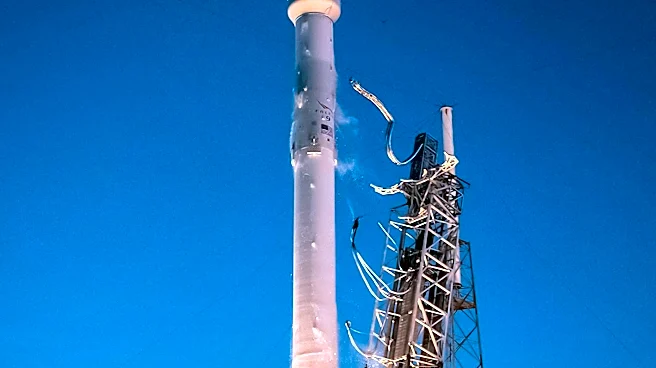
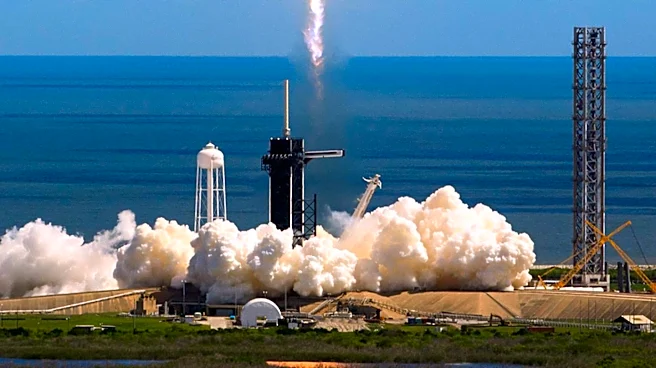
On July 16, 2026, a SpaceX Falcon 9 rocket launched 21 satellites into orbit for the Pentagon's first operational low Earth orbit data network, known as the Proliferated Warfighter Space Architecture (PWSA). This launch brings the constellation to half
of its planned size, with 63 satellites now in orbit. The network is designed to support missile warning, missile tracking, and military data relay through optical intersatellite links. However, the optical laser mesh that enables satellite communication remains unproven and has not yet been activated.
Why It's Important?
The launch of these satellites is a significant step in the development of the Pentagon's PWSA, which aims to provide assured, resilient, low-latency connectivity for military missions. The network's ability to support missile warning and tracking is crucial for national security. The delay in activating the optical laser mesh highlights challenges in deploying advanced military technology. The success of this network could enhance the U.S. military's operational capabilities and reduce reliance on commercial satellite networks, which can be subject to policy changes by private owners.
What's Next?
The Space Development Agency (SDA) plans to continue launching satellites based on readiness rather than a fixed schedule. The next steps involve establishing the mesh network that will allow satellites to communicate effectively. This capability is essential for the network to function as intended. The SDA will focus on building optical links within each orbital plane before attempting links between planes. The success of these efforts will determine the operational capability of the PWSA and its ability to provide a resilient communication network for military operations.
Beyond the Headlines
The development of the PWSA reflects broader trends in military strategy, emphasizing the importance of distributed satellite networks for resilience against adversaries. The challenges faced in deploying the optical laser mesh highlight the complexities of integrating advanced technologies into military systems. The success of this network could influence future military strategies and investments in space-based technologies, potentially leading to increased collaboration between the military and commercial space industries.