






What's Happening?
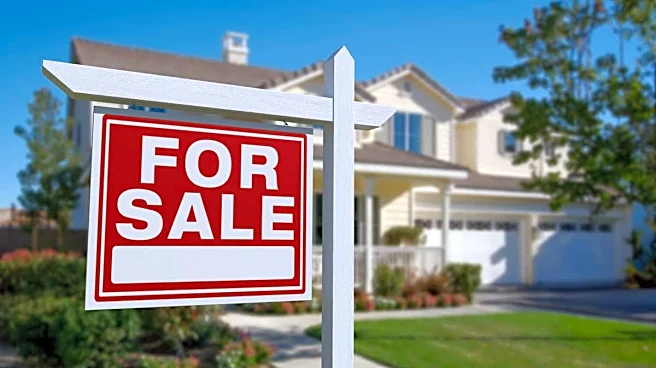
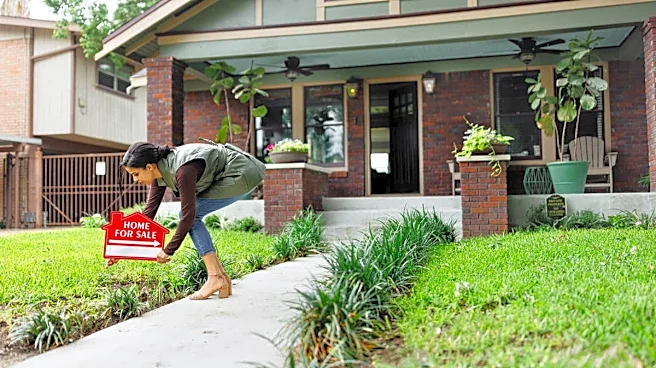
The rise of remote work has significantly altered homebuying decisions in the United States. Previously, proximity to the workplace was a major factor in choosing a home, but now, with remote work becoming more prevalent, buyers are prioritizing lifestyle
and cost of living over commute times. This shift allows buyers to consider homes in smaller cities, distant suburbs, or rural areas that were previously impractical. The demand for homes with dedicated office spaces and reliable high-speed internet has increased, as these features are now essential for remote workers. Additionally, many are opting for larger homes with outdoor spaces, moving away from smaller units in expensive metro areas.
Why It's Important?
This change in homebuying behavior has broader implications for housing markets and urban planning. As remote work allows for greater flexibility, it has led to increased demand in previously overlooked areas, driving up property values and altering local economies. Conversely, some high-cost urban areas may experience a shift in demand as a portion of their workforce relocates. This trend also impacts financial planning for buyers, as they navigate different loan sizes and mortgage rates in new markets. The ability to work remotely offers financial benefits, enabling buyers to stretch their budgets further in lower-cost areas.
What's Next?
As remote work continues to evolve, homebuying patterns are likely to reflect this ongoing flexibility. Buyers will need to remain adaptable, considering potential changes in company policies regarding remote work. The possibility of return-to-office mandates could influence future decisions, making it crucial for buyers to evaluate whether their chosen location would still be viable under different work arrangements. Additionally, the ripple effects on housing markets will continue, with smaller cities and suburban areas potentially seeing sustained growth in demand.
Beyond the Headlines
The shift towards remote work and its impact on homebuying is not just a temporary trend but a lasting change in how people approach living and working. This evolution challenges traditional notions of urban living and could lead to long-term changes in infrastructure development, transportation planning, and community services. As more people prioritize quality of life over proximity to work, there may be increased investment in amenities and services in areas that were previously considered peripheral.