






What's Happening?
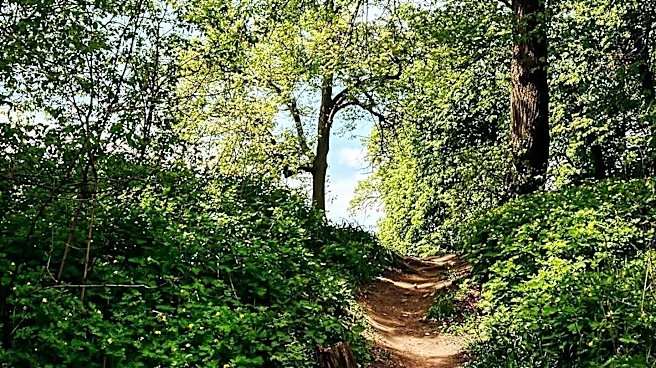
Wisconsin has opened its first certified forest bathing trail, Tara Lila, located near Eagle River. This initiative introduces the Japanese wellness practice known as Shinrin-yoku, or forest bathing, to the state. The concept, coined in 1982 by Tomohide
Akiyama, then director of Japan’s Ministry of Agriculture, Forestry, and Fisheries, aimed to provide healthy alternatives to address rising rates of depression caused by stress. The Association of Nature and Forest Therapy Guides and Programs has certified the Tara Lila trail, making it one of approximately 50 such trails worldwide. Forest bathing involves an immersive experience in nature, either self-guided or led by a certified guide like Cindy Conlon, designed to foster presence and connection with the forest's energy. Participants engage their senses to observe sights, sounds, and smells, often in silent walks, followed by sharing observations. Studies indicate that this practice can lead to reduced blood pressure, lower stress hormones, and improved sleep. The trail features nine stopping points, each with an invitation for participants to engage with their surroundings.
Why It's Important?
The establishment of Wisconsin's first certified forest bathing trail signifies a growing recognition in the U.S. of alternative wellness practices to address chronic stress and its associated health issues. With increasing rates of stress-related conditions, including depression and cardiovascular problems, integrating nature-based therapies like forest bathing offers a non-pharmacological approach to public health. This development provides a structured and accessible way for individuals to engage with nature, potentially leading to improved mental and physical well-being. The certification by the Association of Nature and Forest Therapy Guides and Programs lends credibility and standardization to the practice, encouraging wider adoption and potentially influencing healthcare and wellness programs across the nation. For communities, it can boost local tourism and offer unique recreational opportunities, while for individuals, it provides a means to reset and find balance in an increasingly 'wired and tired' society, as noted by certified forest therapy guide Cindy Conlon.
What's Next?
Following the successful launch of the Tara Lila trail, it is anticipated that more regions in the U.S. may explore establishing similar certified forest bathing trails. The positive reception and documented health benefits could encourage local governments, park systems, and private organizations to invest in developing and promoting such nature-based wellness programs. There may also be an increase in demand for certified forest therapy guides, leading to more training and certification programs. Further research into the long-term health impacts and cost-effectiveness of forest bathing could also influence its integration into broader public health initiatives or corporate wellness programs. The success of trails like Tara Lila could serve as a model for other states looking to offer accessible and effective stress-reduction methods to their populations.
Beyond the Headlines
The emergence of forest bathing trails in the U.S. reflects a deeper societal shift towards re-evaluating the relationship between humans and nature, particularly in an era dominated by digital connectivity and urban living. This practice highlights the concept of 'biophilia,' the innate human tendency to connect with nature, and underscores the potential for natural environments to serve as therapeutic spaces. Beyond individual health benefits, the promotion of forest bathing could foster greater environmental awareness and stewardship, as participants develop a deeper appreciation for natural ecosystems. It also challenges conventional notions of wellness, suggesting that simple, accessible interactions with nature can be as impactful as more complex or costly interventions. This movement could inspire broader discussions about urban planning, conservation efforts, and the design of public spaces to better support human well-being through natural integration.