

What's Happening?
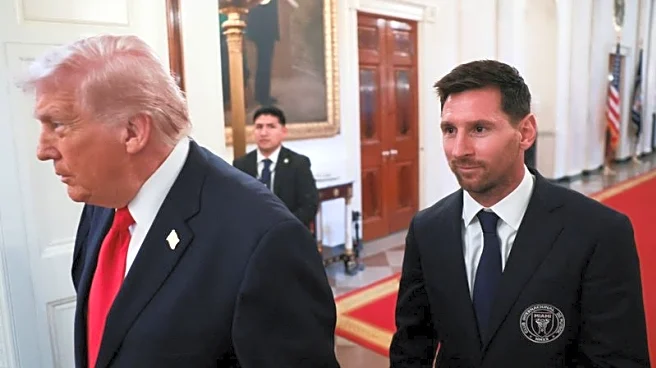
President Trump has indicated that the U.S. may turn its attention to Cuba following the conclusion of military operations in Iran. Speaking at the White House, Trump suggested that changes in Cuba are 'just a question of time' and hinted at a potential
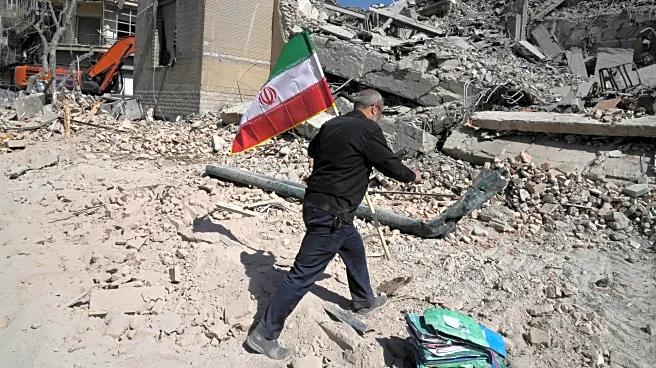
U.S.-assisted regime change. The comments were made during an event celebrating the 2025 MLS Cup champions, Inter Miami CF, and were directed at an audience with Cuban heritage. Trump's remarks come amid ongoing military actions in Iran, where he claims the U.S. and Israeli forces are making significant progress.
Why It's Important?
Trump's comments signal a potential shift in U.S. foreign policy focus towards Cuba, a country with a long history of tense relations with the United States. The prospect of regime change in Cuba could have significant implications for U.S.-Cuban relations and the broader geopolitical landscape in the Caribbean. The move could also impact U.S. domestic politics, particularly among Cuban-American communities. The administration's approach to Cuba may face challenges from international allies and could lead to increased tensions with countries that support the current Cuban government. The potential for regime change raises questions about the U.S.'s commitment to democratic principles and the ethical implications of such actions.
What's Next?
If the U.S. pursues regime change in Cuba, it will need to navigate complex diplomatic and geopolitical dynamics. The administration may face resistance from international allies and could encounter challenges in implementing its strategy. The potential for increased tensions with Cuba and its allies could lead to further conflict and instability in the region. The U.S. will need to engage diplomatically with regional stakeholders and address the underlying causes of conflict to achieve its goals. The success of the strategy will depend on the ability to balance strategic interests with ethical considerations and address the humanitarian impact of its actions.
Beyond the Headlines
The ethical implications of pursuing regime change in Cuba are significant, particularly in light of the U.S.'s history of interventions in the region. The approach raises questions about the role of the U.S. in shaping the political landscape of the Caribbean and the potential for increased anti-American sentiment. The situation underscores the need for a balanced approach to foreign policy that considers both strategic interests and ethical considerations. The U.S. must also address the potential for 'blowback' and work to prevent further destabilization in the region. The long-term impact on U.S.-Cuban relations and regional stability will depend on the administration's ability to engage diplomatically and address the underlying causes of conflict.