








What's Happening?
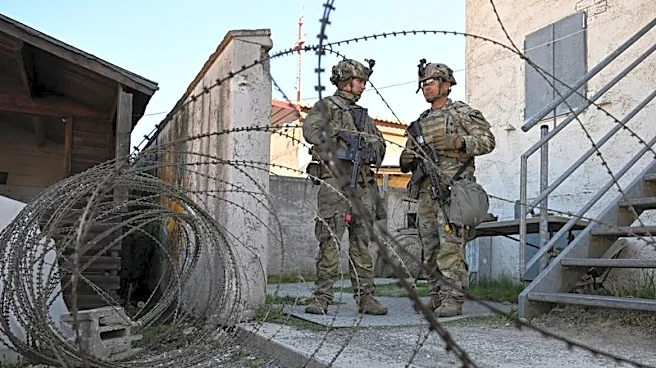
The U.S. Marine Corps is implementing brain function evaluations as part of health records to address concerns about the impact of weapons blasts on personnel. Brig. Gen. Sean Hoewing announced that the Corps is taking steps to limit blast exposure during
training, including setting distance requirements for observers. The Automated Neuropsychological Assessment Metrics (ANAM) will be used to evaluate brain function for high-risk personnel. By September, ANAM data will be integrated into periodic health assessments. The Corps aims to complete baseline evaluations for all troops by September 2027 and update risk thresholds by 2029.
Why It's Important?
This initiative reflects growing awareness of the long-term health impacts of blast exposure on military personnel. By incorporating brain function evaluations into health records, the Marine Corps is taking proactive steps to protect its members from potential brain injuries. This move could lead to improved safety protocols and training methods, reducing the risk of injury while maintaining combat readiness. The integration of ANAM data into health assessments may also provide valuable insights into the effects of blast exposure, informing future policy decisions and equipment design to enhance troop safety.
What's Next?
The Marine Corps will continue to refine its approach to managing blast exposure risks, with a working group tasked with developing mitigation strategies. This may involve policy changes, new training aids, and collaboration with equipment manufacturers to address blast risks. The Corps will also evaluate the frequency of brain function assessments to ensure they are conducted effectively. As the initiative progresses, it may serve as a model for other branches of the military, potentially leading to broader adoption of similar measures across the armed forces.