





What's Happening?
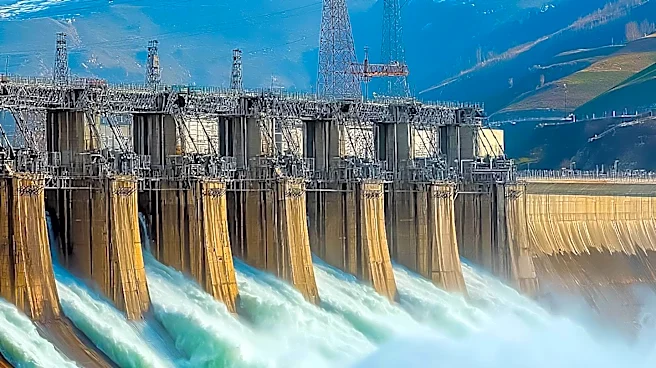
Several historic dams across the United States, built over a century ago, continue to generate electricity and serve various functions. These dams, located in states such as Idaho, Arizona, Tennessee, and Alabama, were among the first hydroelectric projects
in the country. They have been maintained and modernized over the years to remain operational within today's power grid. Notable examples include the Minidoka Dam in Idaho, which began service in 1909, and the Theodore Roosevelt Dam in Arizona, completed in 1911. These structures not only provide renewable energy but also support irrigation, flood management, and recreation. Their continued operation is a testament to the durability of early engineering and the importance of sustained investment in infrastructure.
Why It's Important?
The ongoing functionality of these historic dams highlights the value of investing in infrastructure maintenance and modernization. As the U.S. seeks to expand its renewable energy sources, these dams provide a model for how existing infrastructure can be adapted to meet contemporary needs. They also underscore the role of hydroelectric power in the nation's energy mix, offering a reliable and sustainable energy source. The preservation and enhancement of such infrastructure are crucial for meeting future energy demands and addressing environmental challenges. Additionally, these dams contribute to local economies by supporting agriculture, providing recreational opportunities, and ensuring water management.