





What's Happening?
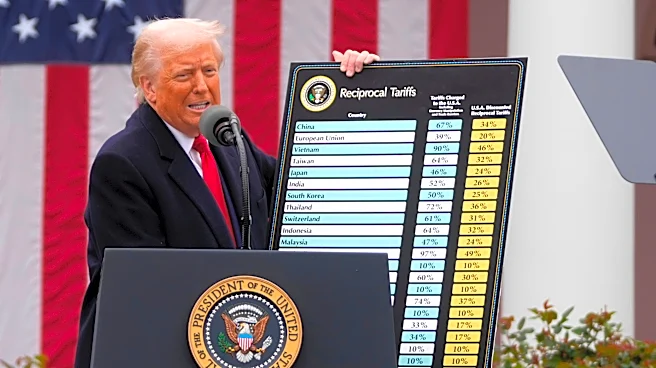
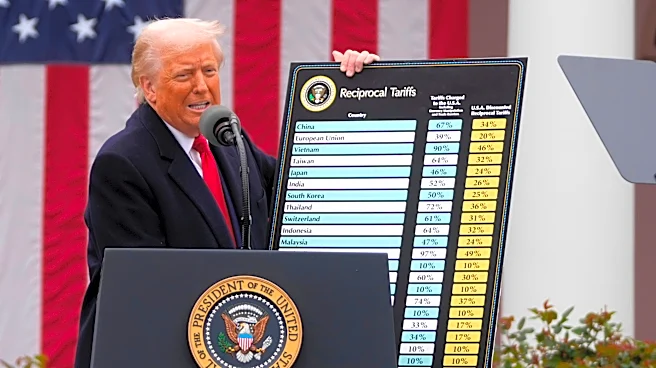
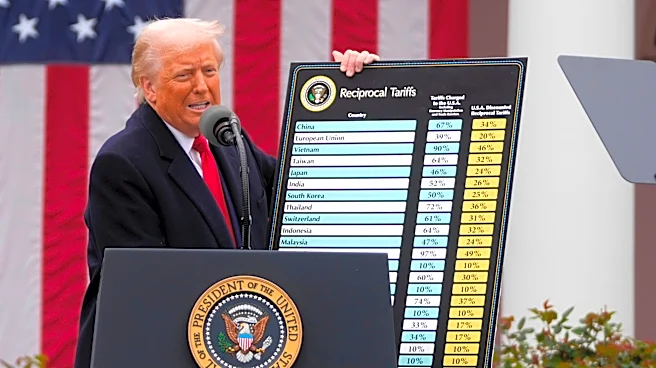
The U.S. has implemented a new 12.5% tariff on goods from South Africa, part of a broader trade policy affecting 60 countries. This decision follows a U.S. Trade Representative investigation into forced labor practices. The tariffs are part of a tiered
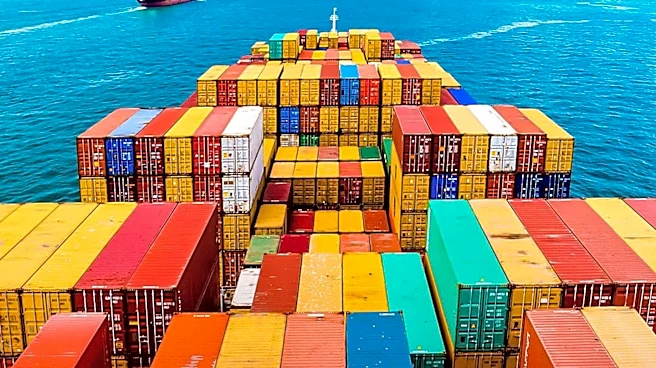
system, with South Africa falling into the highest category due to perceived failures in prohibiting forced labor imports. While some goods like oranges and nuts are exempt, the tariffs are expected to impact South Africa's agricultural exports to the U.S., which are a significant part of its economy.
Why It's Important?
The imposition of tariffs on South African goods underscores the ongoing trade tensions between the U.S. and its global partners. These tariffs could have significant economic implications for South Africa, potentially reducing its export revenues and affecting its agricultural sector. For the U.S., the tariffs are part of a broader strategy to address forced labor issues, but they also risk escalating trade disputes and impacting international relations. The economic impact of these tariffs could extend to U.S. consumers, who may face higher prices for imported goods.
What's Next?
The new tariffs are likely to face scrutiny and potential legal challenges, both domestically and internationally. South Africa and other affected countries may seek to negotiate exemptions or reductions in tariffs. The U.S. administration may continue to use tariffs as a tool to address trade and labor issues, potentially leading to further trade tensions. Businesses and consumers will need to adapt to the changing trade landscape, which could involve shifts in supply chains and pricing strategies.