







What's Happening?
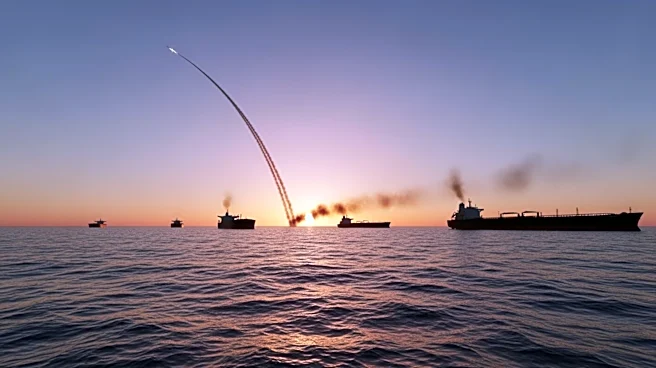
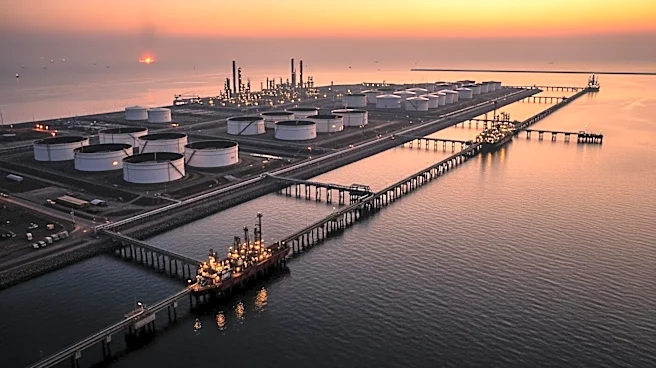
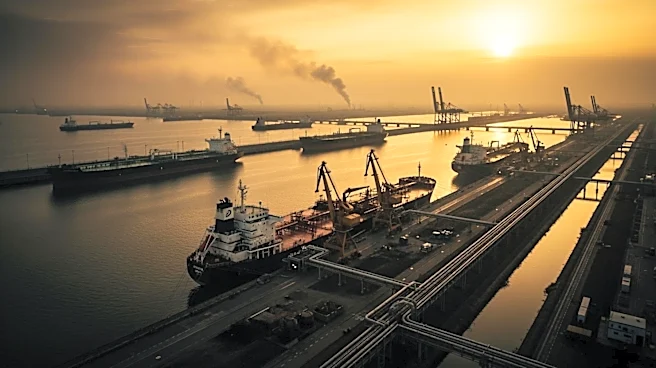
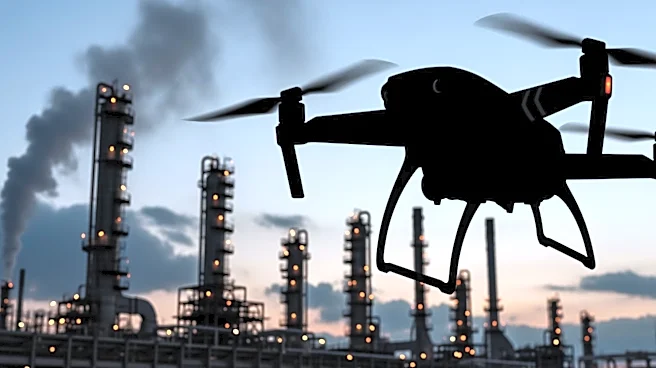
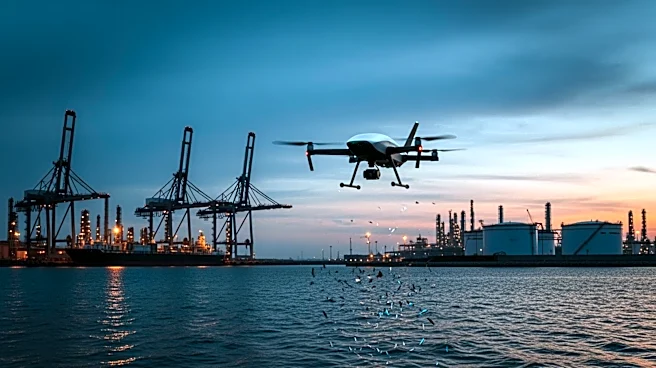
Ukraine has intensified its drone attacks on Russian targets, focusing on the Baltic Sea port of Primorsk and other strategic locations. These strikes have caused significant damage to Russia's oil infrastructure, including an oil terminal port, a tanker,
and military vessels. Ukrainian President Volodymyr Zelenskiy emphasized the strategic importance of these attacks in limiting Russia's war capabilities. The attacks come amid stalled U.S.-brokered peace talks, with Ukraine continuing to develop its long-range military capabilities. The governor of the northwest region hosting Primorsk reported that over 60 drones were intercepted, and a fire at the port was quickly contained without an oil spill. Additional drone attacks were reported in other Russian regions, resulting in casualties and further damage.
Why It's Important?
The escalation of drone attacks by Ukraine on Russian oil infrastructure has significant implications for global oil markets and geopolitical stability. The potential disruption of oil supplies from Russia, a major global exporter, could lead to increased oil prices, affecting economies worldwide. The strategic targeting of energy infrastructure highlights the evolving nature of warfare and the increasing role of technology in military operations. These developments could influence global energy policies and military strategies, as nations reassess their security and economic dependencies. The situation also underscores the complexities of the Ukraine conflict, with potential spillover effects on international relations and economic stability.
What's Next?
As Ukraine continues to enhance its military capabilities, further drone attacks on Russian infrastructure are likely. This could lead to increased tensions between Russia and Ukraine, with potential repercussions for international diplomatic efforts to resolve the conflict. The global oil market may experience volatility, prompting countries to seek alternative energy sources or adjust their strategic reserves. The international community, including the U.S. and European allies, may need to reassess their support strategies for Ukraine and their diplomatic approaches to Russia. The ongoing conflict could also prompt discussions on the regulation and use of drone technology in warfare.
Beyond the Headlines
The use of drones in the Ukraine conflict raises ethical and legal questions about modern warfare. The ability to conduct remote strikes with precision challenges traditional military engagement rules and could lead to new international regulations. The conflict also highlights the vulnerability of critical infrastructure to technological warfare, prompting nations to invest in cybersecurity and defense systems. Long-term, the conflict may influence global military doctrines and the development of autonomous weapons systems, reshaping the future of warfare.