




What's Happening?
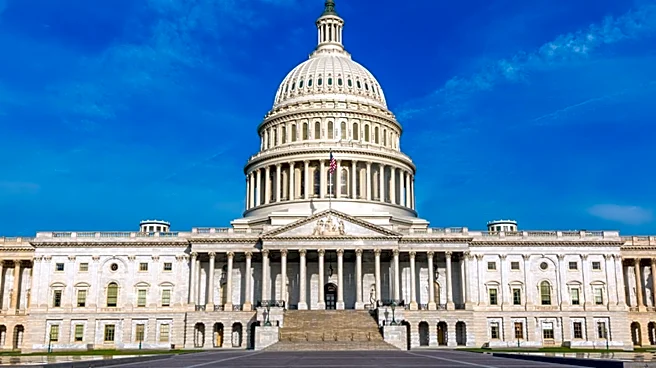
Congressman Gus Bilirakis, Chairman of the Subcommittee on Commerce, Manufacturing, and Trade, delivered an opening statement at a legislative hearing focused on enhancing consumer protections. The hearing, titled 'Legislative Proposals to Strengthen
Consumer Protection in a Changing Marketplace,' considered a dozen bills aimed at empowering the Federal Trade Commission (FTC) and the Consumer Product Safety Commission (CPSC). Bilirakis emphasized the historical role of the FTC in combating unfair practices and promoting competition since its inception in 1914. He highlighted the importance of the CPSC in safeguarding the public from hazardous products, especially as online marketplaces expand and imports increase. The proposed legislation includes the PACK Act and the Recycled Materials Attribution Act, which aim to improve transparency and recycling rates, and the TERMS Act, which seeks to impose new transparency obligations on online platforms.
Why It's Important?
The legislative proposals discussed in the hearing are significant as they aim to bolster consumer protection in an evolving marketplace. Strengthening the FTC and CPSC is crucial for maintaining consumer safety and trust, particularly with the rise of online shopping and the influx of imported goods. These measures could lead to enhanced regulatory frameworks that protect consumers from deceptive practices and unsafe products. The focus on transparency and accountability in environmental claims and online platforms reflects a broader effort to adapt consumer protection laws to modern challenges. This could benefit consumers by ensuring safer products and more reliable information, while also supporting businesses that comply with these standards.
What's Next?
The next steps involve further examination and potential passage of the proposed bills. If enacted, these laws would empower the FTC and CPSC with additional tools to enforce consumer protection standards. Stakeholders, including businesses and consumer advocacy groups, are likely to engage in discussions to shape the final form of the legislation. The outcome of these legislative efforts could influence future regulatory practices and set precedents for consumer protection in the digital age.