



What's Happening?
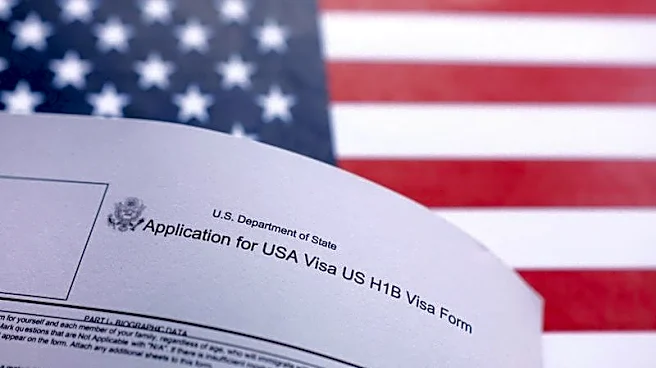
Representative Greg Steube (R-Fla.) and Fox News host Laura Ingraham have renewed calls to terminate the H-1B visa program. Their advocacy comes as the Trump administration proposes a significant increase in H-1B costs. Steube, appearing on 'The Ingraham Angle,'
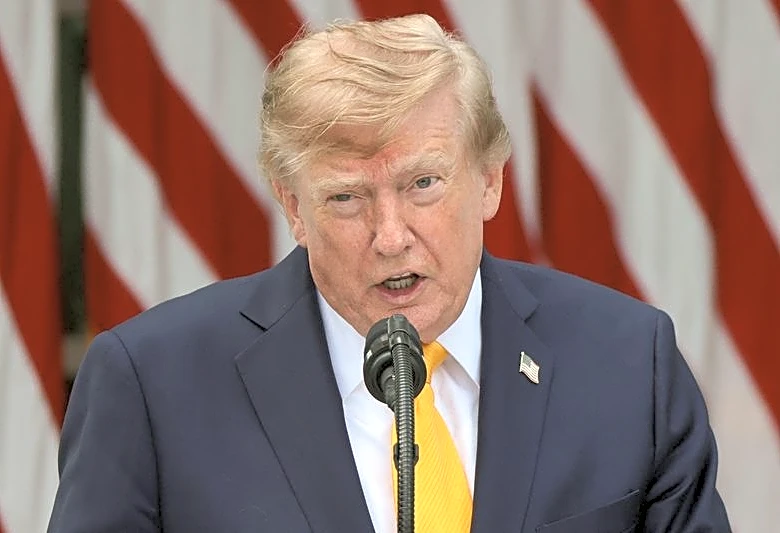
argued that the program should be eliminated, citing recent layoffs at major U.S. companies as evidence that domestic skilled workers are available. He specifically mentioned Microsoft, which he claimed fired 16,000 Americans and subsequently hired 9,000 H-1B visa holders, and Disney, which allegedly laid off 250 employees and required some American workers to train their H-1B replacements. Steube introduced the Ending Exploitative Imported Labor Exemptions Act (EXILE Act) in February, aiming to amend federal immigration law to end the H-1B program. Ingraham recalled President Trump's 2016 stance, where he also questioned the program's necessity and suggested its termination. This debate intensifies as the Department of Homeland Security proposes a $103,265 fee for every cap-subject H-1B petition, potentially generating $8.8 billion annually.
Why It's Important?
The push to end the H-1B visa program by Representative Steube and Laura Ingraham highlights a contentious debate with significant implications for the U.S. labor market and technology sector. Critics argue that the program displaces American workers and drives down wages, especially in specialized fields, while proponents maintain it is crucial for U.S. employers to recruit highly skilled foreign talent when domestic shortages exist. The proposed fee increase by the Department of Homeland Security further complicates the landscape, potentially making it more expensive for companies to hire H-1B workers, which could impact their operational costs and hiring strategies. If the EXILE Act were to pass, or if the H-1B program were significantly curtailed, U.S. companies that rely on foreign talent might face challenges in filling specialized roles, potentially affecting innovation and competitiveness. Conversely, American workers in tech and other skilled industries could see increased job opportunities and potentially higher wages. The debate also reflects broader concerns about immigration policy and its economic impact.
What's Next?
The immediate next step involves public comments on the Department of Homeland Security's proposed H-1B fee increase, which are due by September 4. The outcome of this public comment period and subsequent decision by DHS will significantly influence the cost structure of the H-1B program. Concurrently, Representative Steube's EXILE Act will continue its legislative journey, though its passage would require substantial bipartisan support, which is often challenging for immigration-related bills. The ongoing debate is likely to see continued advocacy from both sides: those pushing for the program's termination or significant reform, and those defending its necessity for U.S. businesses. Companies that heavily utilize H-1B visas will likely monitor these developments closely and may adjust their hiring and lobbying strategies accordingly. The issue could also become a talking point in future political campaigns, particularly given President Trump's past stance on the program.
Beyond the Headlines
The debate surrounding the H-1B visa program extends beyond immediate economic impacts, touching upon deeper ethical and societal implications. The core tension lies between protecting domestic jobs and fostering global competitiveness through access to specialized talent. Accusations of companies misusing the program to reduce labor costs raise ethical questions about corporate responsibility and fairness to the American workforce. Conversely, restricting access to highly skilled foreign workers could be seen as hindering innovation and limiting the U.S.'s ability to attract top global talent, potentially shifting technological leadership to other nations. The discussion also highlights the broader challenge of balancing immigration policies with national economic interests and social welfare. The outcome of these policy debates could influence the future composition of the U.S. workforce, the competitiveness of its industries, and its standing as a global hub for innovation.