





What's Happening?
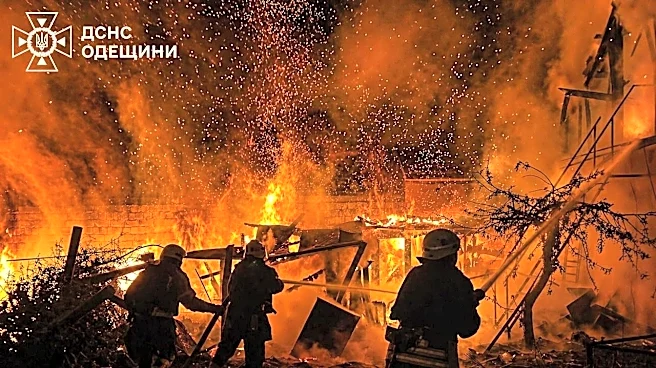
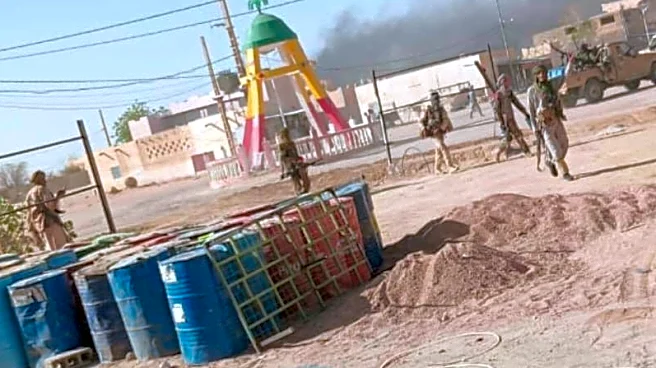
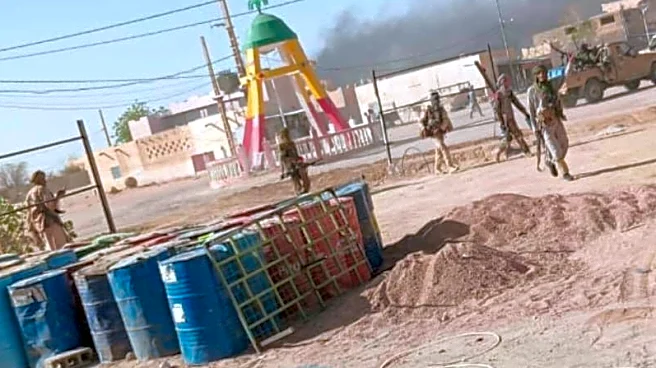
In Mali, a significant security crisis has unfolded as al-Qaeda-linked militants launched a coordinated offensive, resulting in the death of the country's defense minister and the retreat of Russian mercenaries. This development comes four years after
Mali's military junta expelled French troops and sought Russian assistance to combat Islamist insurgents. Despite the presence of Russian forces, the insurgency has intensified, leading to a power vacuum and uncertainty about the government's stability. The recent attacks have raised concerns about the effectiveness of foreign interventions in Mali and the broader implications for the Sahel region.
Why It's Important?
The situation in Mali highlights the challenges of foreign military interventions in addressing complex insurgencies. The failure of Russian mercenaries to stabilize the region underscores the limitations of relying on external forces for security. This crisis could have significant ramifications for the Sahel region, potentially leading to increased instability and violence. The involvement of major powers like Russia and the United States in Mali reflects broader geopolitical interests, with implications for regional security and international relations. The outcome of this crisis could influence future foreign policy decisions regarding military interventions in similar contexts.
What's Next?
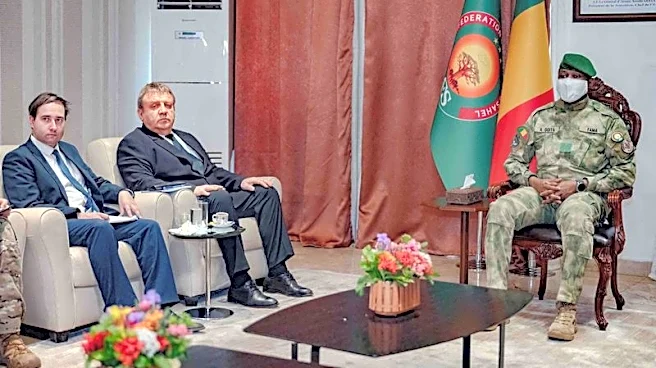
The Malian government, led by President Assimi Goïta, faces critical decisions on how to address the escalating insurgency. Potential responses include seeking additional foreign military support or attempting to negotiate with insurgent groups. The international community, particularly the United States and Russia, may reassess their involvement in Mali, considering the recent setbacks. The situation also poses a challenge for regional organizations and neighboring countries, which may need to coordinate efforts to prevent further destabilization. The outcome of these decisions will shape the future security landscape of the Sahel region.
Beyond the Headlines
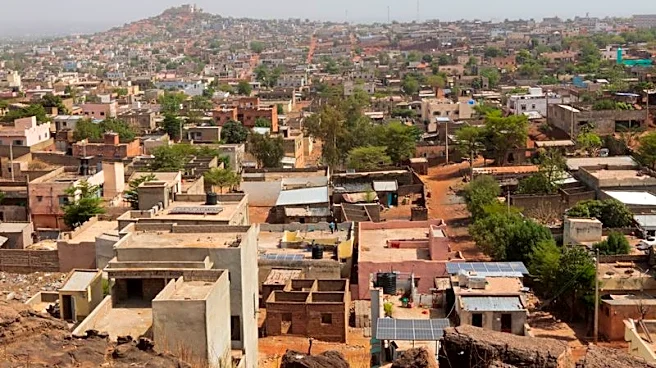
The crisis in Mali raises questions about the ethical and strategic implications of foreign military interventions. The reliance on mercenaries and the associated human rights concerns highlight the need for comprehensive approaches to conflict resolution that prioritize local governance and development. The situation also reflects broader patterns of geopolitical competition in Africa, with major powers vying for influence. Understanding the cultural and historical context of Mali is crucial for developing effective strategies to address the underlying causes of conflict and promote long-term stability.