





What's Happening?
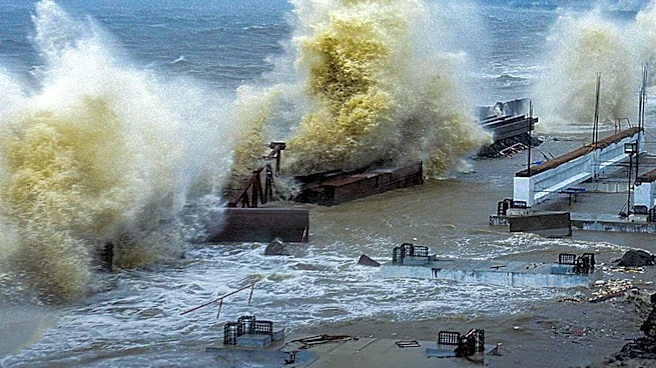
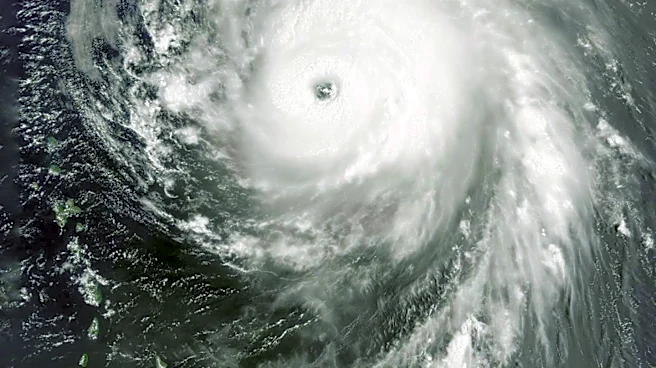
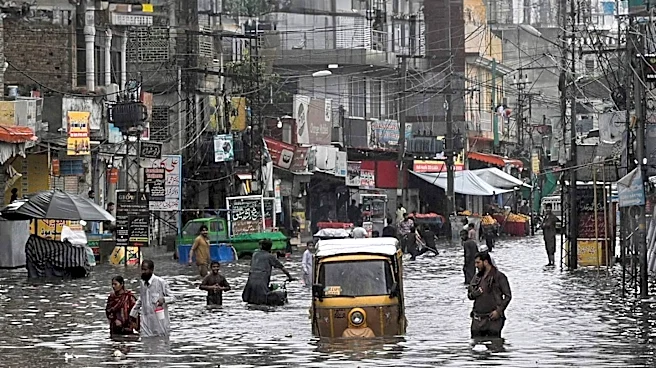
The Interior Ministry has identified 18 counties in Kenya as high-risk zones ahead of the anticipated El Niño rains in 2026. These areas, including Nairobi, Mombasa, and Kisumu, are expected to face severe flooding, infrastructure damage, and displacement
of residents. The IGAD Climate Prediction and Applications Centre (ICPAC) has warned that the climatic conditions will also create favorable conditions for the transmission of Rift Valley Fever (RVF), posing a significant threat to human health, food security, and livelihoods. The risk extends beyond Kenya to other East African nations, including South Sudan, where regional flooding and animal movements could amplify cross-border transmission of the virus.
Why It's Important?
The impending El Niño rains and the associated risks of flooding and disease outbreaks present a significant challenge for East African nations. The potential for widespread flooding could lead to severe infrastructure damage, displacement, and economic disruption. The threat of Rift Valley Fever further complicates the situation, as it could lead to significant public health challenges and impact food security. The ability of these nations to effectively respond to these challenges will be critical in mitigating the impact on vulnerable populations. The situation underscores the need for coordinated regional efforts and international support to enhance preparedness and response capabilities.
What's Next?
Governments in the affected regions are likely to ramp up preparations for the anticipated El Niño rains, focusing on strengthening infrastructure, improving drainage systems, and enhancing emergency response capabilities. There may also be increased efforts to monitor and control the spread of Rift Valley Fever, including vaccination campaigns and public health awareness initiatives. International organizations and donor countries could play a crucial role in supporting these efforts through funding, technical assistance, and the provision of emergency supplies. The situation will require ongoing monitoring and adaptation to address the evolving challenges posed by the climatic conditions.
Beyond the Headlines
The anticipated El Niño rains and the associated risks highlight the broader challenges of climate change and its impact on vulnerable regions. The situation underscores the need for long-term strategies to enhance climate resilience and reduce vulnerability to extreme weather events. This includes investing in sustainable infrastructure, improving early warning systems, and promoting community-based adaptation measures. The potential for disease outbreaks also highlights the importance of strengthening public health systems and enhancing cross-border collaboration to address shared challenges. The international community's response to this situation could serve as a model for addressing similar challenges in other regions affected by climate change.