





What's Happening?
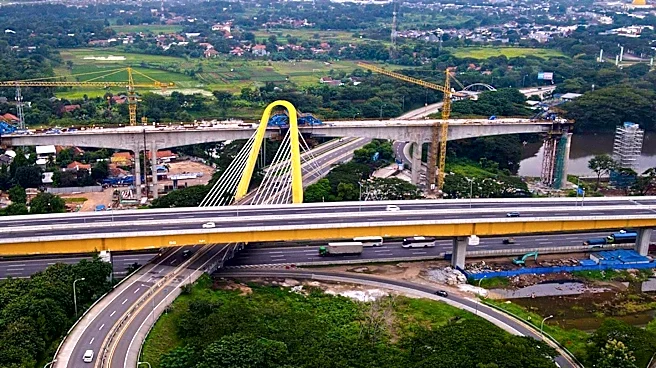
The Twin Ports Interchange Project in Duluth, Minnesota, has been recognized with a national award in the Operational Excellence – Large Project category at America’s Transportation Awards. This five-year, $435 million initiative involved the reconstruction
of the complex I-35, I-535, and Highway 53 junction, previously known locally as the 'can of worms.' The project aimed to enhance safety by eliminating left-hand exits and blind merges, replacing aging infrastructure including several bridges, and improving freight movement. The Operational Excellence category specifically acknowledges projects that effectively utilize existing transportation assets and processes to deliver cost-effective, near-term solutions. Minnesota saw four of its projects recognized across the 10-state Mid America Association of State Transportation Officials region, with two of these being local to the Duluth area. The project was managed by Peter Marthaler, who joined the Minnesota Department of Transportation (MnDOT) approximately a year before construction began in the fall of 2020. The freeway's original layout presented significant challenges, particularly in maintaining traffic flow during construction.
Why It's Important?
This national recognition for the Twin Ports Interchange Project underscores the importance of strategic infrastructure investment in improving safety and efficiency within the U.S. transportation network. The interchange, which handles an average of 5,320 heavy commercial vehicles and 80,000 general vehicles daily, is a critical corridor for east-west traffic connecting Duluth and Superior. By addressing a location that previously ranked fourth in statewide crashes, the project directly impacts public safety and reduces the potential for accidents. Furthermore, the improved freight movement through the interchange has significant economic implications, facilitating smoother logistics for businesses and potentially reducing transportation costs. The project's innovative construction methods, such as detouring southbound traffic and shifting northbound traffic, demonstrate how creative solutions can shorten project durations and minimize disruption, setting a precedent for future large-scale infrastructure endeavors across the nation. This award highlights Minnesota's commitment to developing a safe, equitable, and sustainable transportation system, benefiting both residents and commercial operations.
What's Next?
While the reconfigured interchange has been operational for less than a year, the long-term effectiveness in preventing crashes is still being evaluated as data remains incomplete. However, initial feedback from motorists indicates a significant improvement in navigation. MnDOT Commissioner Nancy Daubenberger emphasized the department's ongoing commitment to improving transportation infrastructure and quality of life throughout Minnesota, ensuring the safety of all involved. The success of projects like the Twin Ports Interchange and the Rock Ridge Transportation Improvement project in Eveleth, which won in the Safety – Medium Project category, suggests a continued focus on similar initiatives across the state. Future efforts will likely involve continued monitoring of the interchange's performance, data collection on crash rates, and ongoing maintenance to ensure its longevity and sustained operational excellence. The innovative staging techniques employed during construction may also serve as a model for other complex infrastructure projects nationwide, potentially influencing future project planning and execution strategies.
Beyond the Headlines
The Twin Ports Interchange Project's success extends beyond its immediate operational improvements, touching upon broader themes of urban planning, engineering innovation, and regional economic development. The project's ability to transform a notoriously difficult 'can of worms' into a more navigable and safer route highlights the critical role of civil engineering in addressing complex urban challenges. The emphasis on 'Operational Excellence' suggests a shift towards optimizing existing assets rather than solely focusing on new construction, promoting a more sustainable approach to infrastructure development. Ethically, the project's focus on reducing crashes and improving safety reflects a commitment to public welfare, particularly for a corridor with high commercial vehicle traffic. Culturally, the transformation of a long-standing local bottleneck can significantly impact the daily lives and perceptions of residents and commuters, fostering a sense of progress and efficiency. This project serves as a testament to how large-scale public works, when executed with innovation and a clear vision, can yield substantial and lasting benefits for a community and its economy.