







What's Happening?
Vivint, a U.S. smart home, security, and energy company, has released its second annual How We Home Report, detailing evolving trends in American smart home adoption. The report, based on a September 2026 survey of 5,000 U.S. homeowners, indicates that
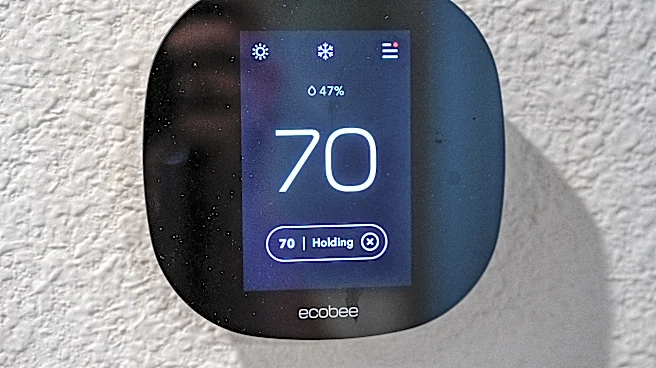
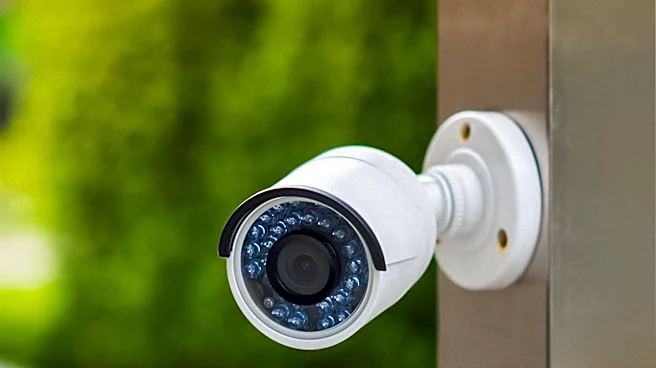
78% of homeowners own at least one smart home device, with 61% having purchased a new device in the past year. Key findings highlight that homeowners are primarily seeking stronger home security, smarter energy management, professional installation, and solutions for family and home care. Security remains a top concern, with 1 in 5 homeowners feeling less safe due to crime, economic conditions, and severe weather, and nearly half (46%) more concerned about theft than five years ago. Energy management is also a significant driver, as 59% of homeowners reported increased energy bills in the last year, leading 37% to use smart home technology to manage consumption. David Porter, Managing Director of Vivint, emphasized that homeowners expect integrated platforms for security, energy management, and intelligent automations rather than disconnected devices.
Why It's Important?
This report underscores a significant shift in the U.S. smart home market, moving beyond mere convenience to address fundamental homeowner concerns: security and financial efficiency. The rising demand for integrated systems and professional installation suggests a maturing market where consumers prioritize reliability and comprehensive solutions over DIY setups. For the smart home industry, this indicates a need for more cohesive product ecosystems and robust service offerings. Companies that can provide seamless integration, professional support, and clear benefits in security and energy savings are likely to gain a competitive edge. The findings also reflect broader societal anxieties, such as crime rates and economic pressures, which are directly influencing consumer technology choices. This trend could lead to increased investment in smart home infrastructure and services, potentially creating new job opportunities in installation, maintenance, and customer support within the U.S. technology and service sectors.
What's Next?
The insights from Vivint's report suggest several immediate and future developments in the U.S. smart home market. Expect to see smart home companies increasingly focus on developing integrated platforms that combine security, energy management, and automation into a single, user-friendly system. There will likely be a greater emphasis on professional installation services, as homeowners seek assurance that their complex smart home ecosystems are correctly set up and optimized. Furthermore, product development will probably lean towards devices that offer tangible benefits in cost savings through energy efficiency and enhanced security features, such as advanced monitoring and access control. As concerns about family and elder care grow, smart home solutions designed for remote monitoring and emergency assistance will also likely see increased demand and innovation. This could lead to partnerships between smart home providers and healthcare services, expanding the scope of smart home applications.
Beyond the Headlines
Beyond the immediate market implications, the Vivint report touches on deeper societal and ethical considerations. The high level of trust homeowners place in smart devices regarding privacy (72%) is notable, especially amidst ongoing public debates about data security. This suggests that while privacy concerns exist, the perceived benefits of smart home technology, particularly in security and convenience, often outweigh these worries for many consumers. However, this trust places a significant responsibility on smart home companies to maintain robust data protection practices. The report also highlights the role of smart homes in addressing broader demographic shifts, such as an aging population and the need for elder care. The integration of AI-powered technology to assist with life transitions, caregiving, and remote monitoring could transform how individuals manage their homes and support their families, raising questions about accessibility, digital literacy, and equitable access to these advanced solutions across different socioeconomic groups.