






What's Happening?
The recent death of retired San Francisco firefighter Ken Jones has intensified calls for reform of Blue Shield, the city's designated health insurance provider. Jones, who was battling stage 4 lung cancer, faced significant challenges in receiving timely
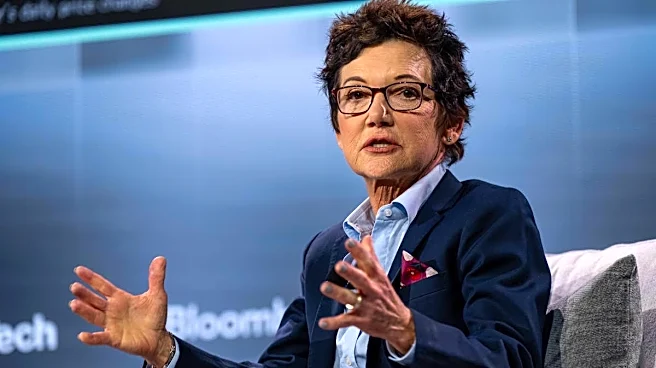
medical treatment due to repeated denials from Blue Shield of California. His oncologist's requests for necessary treatments were denied twice, leading to delays that advocates argue contributed to his premature death. Former SFFD chief Jeanine Nicholson, a long-time friend of Jones, has publicly criticized Blue Shield, asserting that their actions expedited his death. In response to the growing outcry, Blue Shield has announced plans to assign 'dedicated care managers' to assist clients with complex claims. Additionally, the non-profit watchdog group Protect Our Benefits is actively engaging with Blue Shield to push for further reforms.
Why It's Important?
The case of Ken Jones highlights significant issues within the healthcare insurance system, particularly concerning the approval process for critical medical treatments. The delays experienced by Jones underscore the potential life-and-death consequences of bureaucratic hurdles in healthcare. This situation has broader implications for public policy and healthcare reform, as it raises questions about the accountability and efficiency of insurance providers. The public outcry and subsequent actions by Blue Shield suggest a growing demand for systemic changes to ensure that patients receive timely and necessary medical care. This case could serve as a catalyst for broader healthcare reforms, potentially impacting insurance policies and patient rights across the United States.
What's Next?
In the wake of Ken Jones' death, there is likely to be increased scrutiny on Blue Shield and other insurance providers regarding their claims approval processes. Stakeholders, including healthcare advocates and policymakers, may push for legislative or regulatory changes to prevent similar situations in the future. The ongoing dialogue between Protect Our Benefits and Blue Shield could lead to concrete policy changes aimed at improving the responsiveness and accountability of insurance providers. Additionally, there may be increased advocacy efforts to raise awareness about the challenges faced by patients in obtaining necessary medical treatments, potentially influencing future healthcare policy discussions.