





What's Happening?
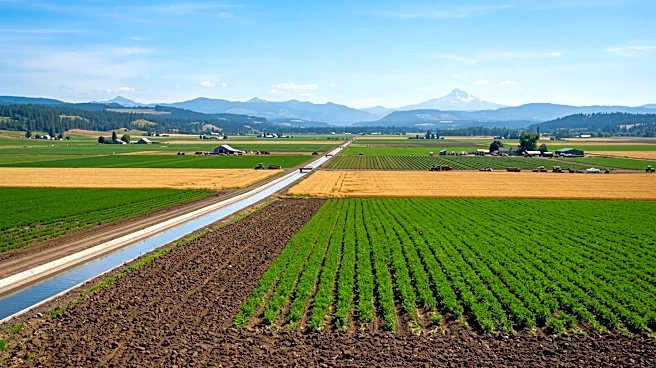
Representative Cliff Bentz, a Republican from Oregon, has leased his 120-acre farm to local farmers who cultivate alfalfa, onions, sugar beets, beans, and wheat. He maintains approximately 10 acres of pasture for irrigation and upkeep. Bentz stated that
balancing his congressional duties with farm work is challenging, necessitating the lease of his farm. He emphasized that the demands of legislative work, including extensive travel to and from Washington D.C., make it difficult to prioritize farm maintenance tasks such as irrigating, feeding livestock, and repairing equipment and fences. These tasks, if delayed, can worsen and conflict with essential congressional responsibilities. Bentz's situation reflects a broader challenge faced by farmer-legislators in Congress, as highlighted by other members like Senator Jim Risch of Idaho, who manages a smaller cattle operation, and Representative Dan Newhouse of Washington, who noted the need for more agricultural representation in Congress.
Why It's Important?
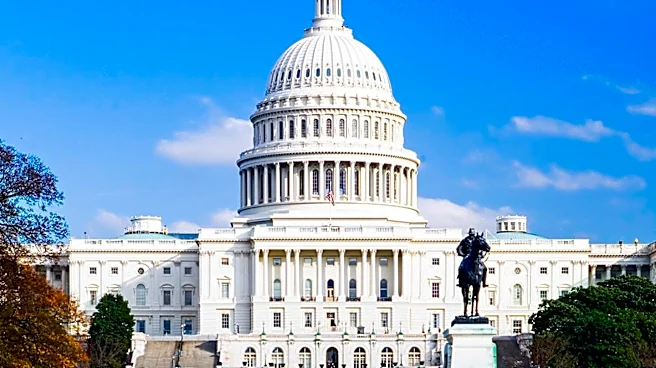
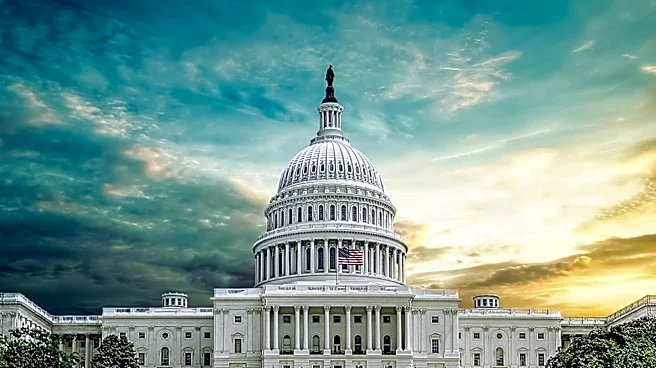
The challenges faced by Representative Bentz underscore a significant issue regarding the representation of agricultural interests in U.S. politics. With less than 2% of the U.S. population involved in farm and ranch families, but about 6.2% of the 119th Congress identifying as farmers or ranchers, the practical difficulties of maintaining agricultural operations while serving in Congress can deter potential farmer-legislators. This dynamic could lead to a decline in direct agricultural experience within legislative bodies, potentially impacting policy-making related to farming, ranching, and the broader agricultural supply chain. Legislators with firsthand experience, like Bentz, provide invaluable insights into the real-world implications of agricultural policies. A reduction in such representation could result in policies that are less informed or less effective for the agricultural sector, affecting food production, rural economies, and the livelihoods of farmers and ranchers nationwide. The need for more individuals who understand the intricacies of farming in Congress is crucial for ensuring that agricultural concerns are adequately addressed.
What's Next?
The ongoing discussion about the balance between legislative duties and agricultural responsibilities suggests a need for continued advocacy for policies that support farmer-legislators or encourage greater agricultural representation. As Representative Dan Newhouse noted, there is a critical need for more members who understand the agricultural industry's challenges. This could lead to efforts to educate fellow members of Congress on agricultural issues or to explore mechanisms that allow farmer-legislators to better manage their dual roles. Future legislative sessions may see renewed calls for a comprehensive farm bill and full-year appropriations bills that directly impact the agricultural sector. The experiences shared by Bentz and others could also influence future candidates from agricultural backgrounds, prompting them to consider how they would manage their farm operations if elected. The departure of experienced farmer-legislators, such as Newhouse, further emphasizes the importance of encouraging new agricultural voices in Congress to ensure continuity in understanding and addressing the sector's needs.
Beyond the Headlines
The situation of Representative Bentz highlights a deeper tension between the practical demands of a specialized profession like farming and the extensive time commitments of public service. This isn't merely a logistical problem but touches upon the ideal of a representative democracy where diverse professional backgrounds are reflected in government. When individuals with direct, hands-on experience in critical sectors like agriculture find it nearly impossible to maintain their primary profession while serving, it raises questions about the accessibility of public office for certain demographics. The long-term implication could be a legislative body increasingly composed of career politicians or individuals from less time-intensive professions, potentially leading to a disconnect between policy-makers and the realities faced by essential industries. This could also foster a greater reliance on lobbyists and special interest groups to inform policy, rather than direct experience from within Congress, potentially skewing legislative outcomes away from the practical needs of farmers and rural communities.