




What's Happening?
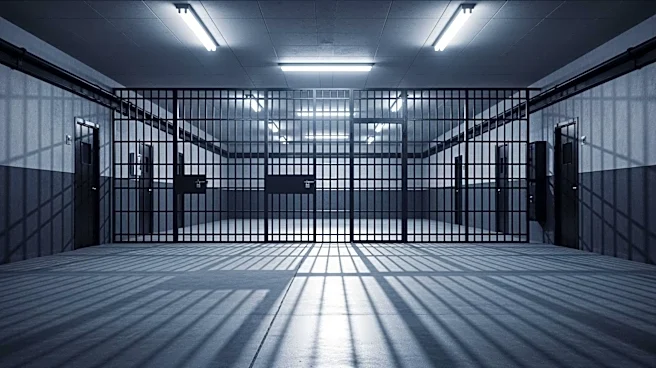
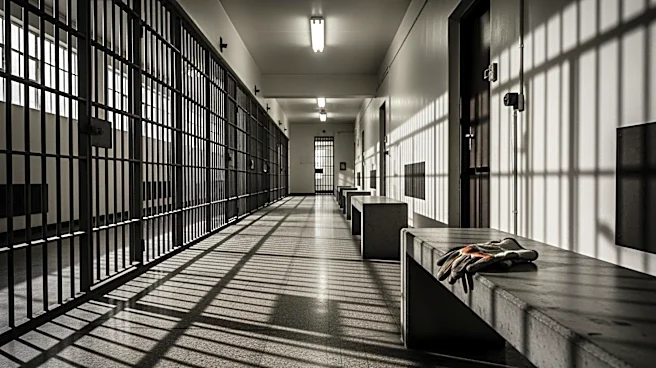
The South Texas Family Residential Center in Dilley, Texas, has come under scrutiny for its treatment of detained immigrant children. Reports from detainees and advocates describe substandard conditions, including inadequate food and water, and constant
lighting that disrupts sleep. The facility, operated by CoreCivic under a $180 million annual contract, was reopened by President Trump in 2025. Critics, including Congressman Joaquin Castro, argue that the conditions are intended to deter immigration by sending a harsh message. The facility has detained over 6,300 children, many without criminal records, during President Trump's second term. The Department of Homeland Security and CoreCivic deny allegations of poor conditions, asserting compliance with federal standards.
Why It's Important?
The situation at the Dilley detention center highlights ongoing debates over U.S. immigration policy and the treatment of asylum seekers. The conditions reported at the facility raise ethical and legal questions, particularly concerning the Flores Settlement, which mandates the prompt release of children. The controversy underscores the tension between immigration enforcement and human rights, with potential implications for U.S. domestic and international reputation. The case also reflects broader political divides, as policies under President Trump contrast with those of previous administrations, affecting thousands of immigrant families seeking asylum.
What's Next?
The future of the Dilley facility and similar detention centers remains uncertain. Legal challenges to the Flores Settlement and potential policy changes could impact operations. Advocacy groups and political leaders may continue to push for the closure of such centers and reform of immigration policies. The Department of Homeland Security's plans to expand detention capacity could face opposition, influencing future legislative and judicial actions. Public awareness and media coverage may drive further scrutiny and calls for transparency in detention practices.