







What's Happening?
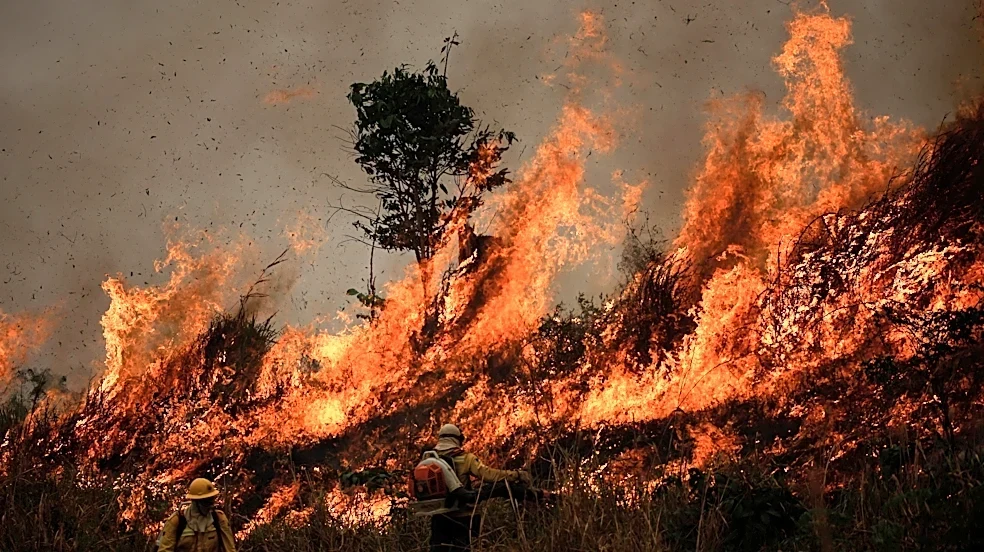
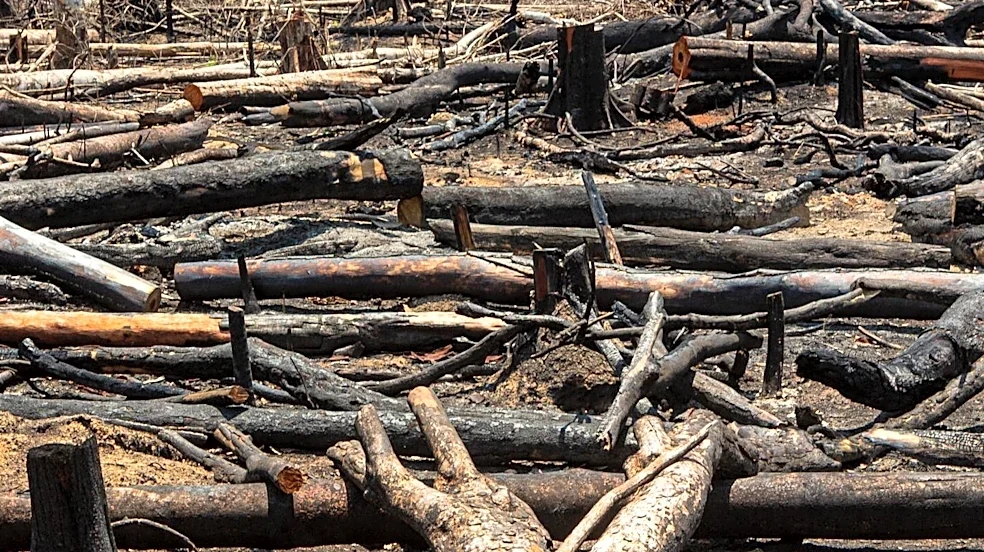
Brazil's Amazonas region has experienced a significant surge in fire outbreaks, with 2,011 recorded between October 1st and October 22nd. On October 21st and 22nd alone, 77 active fire outbreaks were identified. These fires have severely impacted 12 Indigenous
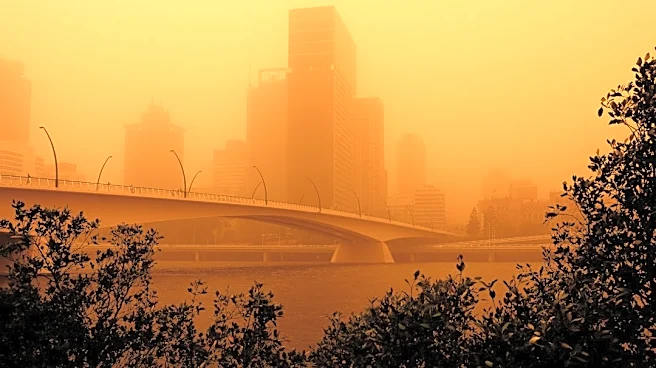
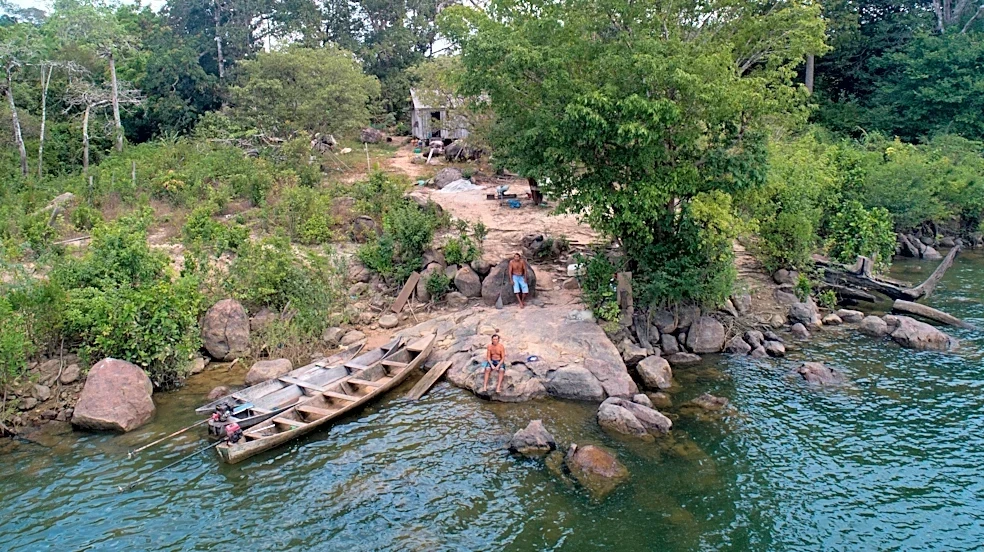
Territories, with police investigations suggesting deliberate criminal actions as a contributing factor. The Kaxuyana-Tunayana Indigenous Territory, home to 10 indigenous peoples, including those in voluntary isolation, is among the affected areas. Other heavily impacted territories include Andirá-Marau, Paiol, Cajual, and Palhal. The Sissaíma and Murutinga-Tracajá Indigenous Territories have seen 47.2% and 28.9% of their forests burned, respectively. The fires have led to unprecedented smoke levels, with Manaus twice listed as the world's most polluted city, prompting the deployment of a National Force of the Unified Health System to assist affected populations. Air pollution levels reached 80 times higher than World Health Organization recommendations for fine particulate matter.
Why It's Important?
The extensive fires in the Amazon have profound implications for environmental conservation, indigenous communities, and public health. Indigenous Territories, which act as crucial barriers against illegal deforestation, are directly threatened, undermining their role in preserving biodiversity and traditional ways of life. The severe air pollution in Manaus and surrounding areas poses significant health risks, leading to a surge in respiratory hospitalizations and the suspension of classes. The suspected criminal origins of many fires highlight a broader issue of environmental crime and governance challenges in the region. The Amazon biome's vulnerability to climate extremes, exacerbated by prolonged droughts, underscores the urgent need for effective fire prevention and climate adaptation strategies. The destruction of these forests contributes to global climate change, impacting weather patterns and biodiversity far beyond Brazil's borders.
What's Next?
An operation involving federal and state governments is underway in Amazonas to contain the wildfires, with 13 aircraft deploying over 1.1 million liters of water since October 10th. Investigations by the Civil Police, Federal Police, and Ibama are ongoing, with 375 fire-related occurrences registered and several arrests made. The COIAB's 2026-2027 Climate Adaptation Plan aims to enhance community warnings, territorial diagnosis, and advocacy efforts. While recent heavy rains in Manaus have improved air quality, the long-term outlook depends on sustained efforts to combat criminal activities, implement effective fire prevention measures, and address the underlying causes of climate vulnerability. Continued monitoring of fire outbreaks and air quality will be crucial, as will support for affected indigenous communities and public health initiatives.
Beyond the Headlines
The fires in the Amazon reveal deeper systemic issues beyond immediate environmental damage. The suspected criminal actions suggest a complex interplay of economic interests, land disputes, and potentially political motivations, echoing past events like the 'Day of Fire' in Pará. This highlights the ongoing struggle between conservation efforts and pressures from agricultural expansion, mining, and illegal logging. The disproportionate impact on indigenous territories underscores the vulnerability of these communities, who are often on the front lines of environmental degradation despite being stewards of the forest. The health crisis in Manaus serves as a stark reminder of the direct human cost of environmental destruction, emphasizing the interconnectedness of ecological health and public well-being. Addressing these fires requires not only immediate firefighting but also comprehensive strategies that tackle governance, land rights, economic incentives, and climate resilience.