
What's Happening?
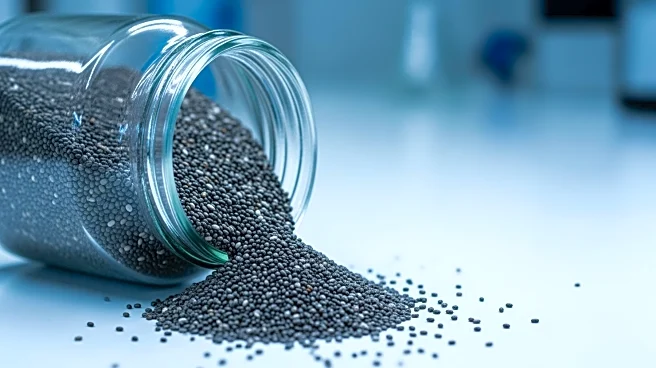
The Food and Drug Administration (FDA) has issued a nationwide recall for Navitas Organics chia seeds due to potential salmonella contamination. The recall affects products sold at Whole Foods locations
and on Amazon. The decision was made after the chia seed supplier discovered possible exposure to salmonella, a bacterium that can cause serious infections, particularly in young children, the elderly, and those with weakened immune systems. Symptoms of salmonella infection include fever, diarrhea, nausea, vomiting, and abdominal pain. In severe cases, the infection can enter the bloodstream, leading to more critical health issues. The specific product under recall is Navitas Organics - Organic Chia Seeds, 8oz, with UPC 858847000284, and several lot codes with 'Best If Used By' dates ranging from April to May 2027. Consumers who have purchased these chia seeds are advised to return them for a refund or dispose of them.
Why It's Important?
This recall is significant as it highlights the ongoing challenges in ensuring food safety in the supply chain. Salmonella contamination poses a serious health risk, particularly to vulnerable populations such as children and the elderly. The recall underscores the importance of rigorous testing and monitoring by food suppliers and regulatory bodies to prevent contaminated products from reaching consumers. The incident may lead to increased scrutiny of food safety practices and could impact consumer trust in organic and health food brands. Retailers like Whole Foods and online platforms like Amazon may also face reputational risks and potential financial losses due to the recall.
What's Next?
Consumers are expected to follow the recall instructions by returning or discarding the affected products. The FDA and Navitas Organics will likely continue to monitor the situation and may conduct further investigations to ensure no additional products are affected. This incident may prompt other food companies to review their safety protocols to prevent similar occurrences. Regulatory bodies might also consider implementing stricter guidelines and more frequent inspections to enhance food safety standards.