








What's Happening?
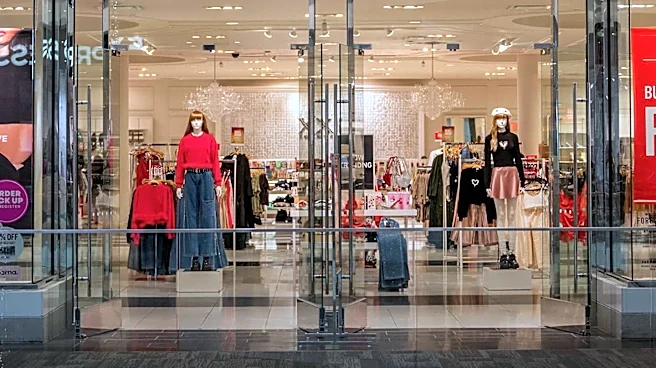
Sheltering Arms, a non-profit organization providing services for people with disabilities, is set to open a new nearly 25,000-square-foot facility on the second floor of the former Forever 21 store at Regency Mall in western Henrico. This move is part
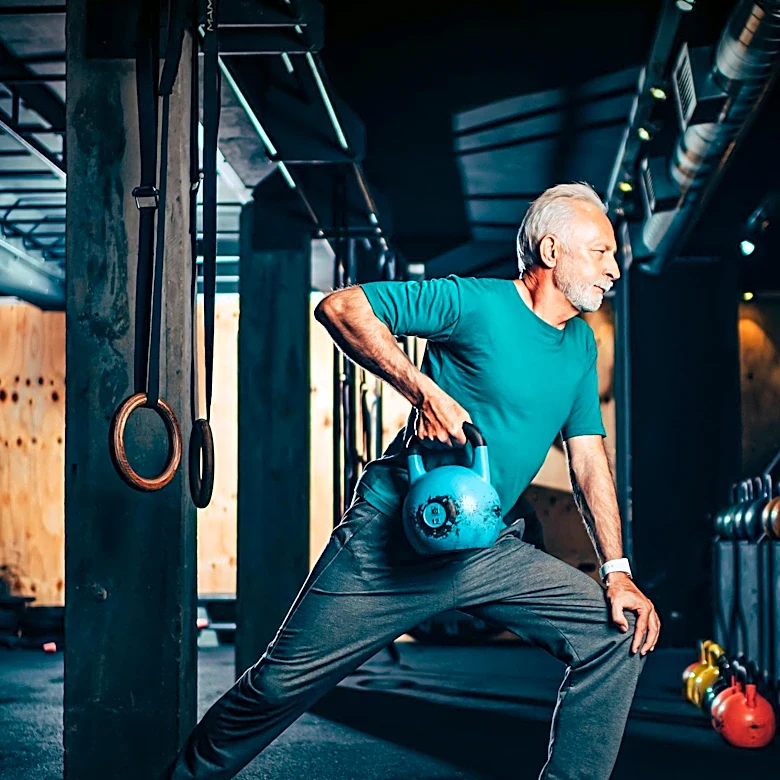
of the ongoing mixed-use redevelopment of the mall by owners Thalhimer Realty Partners and Rebkee Co. The new location will dedicate 13,000 square feet to adaptive and medical fitness programming, designed to assist individuals with disabilities in managing exercise equipment and to serve middle-aged or older adults at high risk of chronic diseases. Currently, these programs are offered within therapy clinics where therapy takes priority. The Regency facility will provide a dedicated space for these fitness programs, significantly increasing their scale. Additionally, the space will house an outpatient physical therapy clinic of 1,200 to 1,500 square feet under the Sheltering Arms Institute banner, a joint venture with VCU Health. Approximately 8,000 square feet will be used for a recreational day program for adults with physical disabilities. The project's general contractor is J. A. Heisler, and PSH+ is the architect.
Why It's Important?
This expansion by Sheltering Arms represents a significant enhancement of healthcare and rehabilitative services available to individuals with disabilities and those at risk of chronic diseases in the U.S. The creation of a dedicated facility for adaptive and medical fitness programs addresses a critical need for specialized exercise environments that prioritize the unique requirements of this population. By co-locating physical therapy services with fitness programs, the organization aims to facilitate 'warm handoffs' between patients completing therapy and those transitioning to ongoing fitness, ensuring continuity of care and improved long-term health outcomes. This integrated approach could serve as a model for other healthcare providers looking to bridge the gap between clinical rehabilitation and sustained wellness. The move also contributes to the revitalization of Regency Mall, transforming a former retail space into a vital community health resource, which could inspire similar adaptive reuse projects in other struggling retail centers across the country. The investment in such a facility underscores a growing recognition of the importance of accessible and specialized fitness for public health.
What's Next?
The Sheltering Arms facility at Regency Mall is expected to open, or at least be substantially completed, by August 2027. A cost estimate for the project is still under development. Once operational, the facility will significantly expand the capacity of Sheltering Arms to serve individuals with physical disabilities and those needing medical fitness programs. The integration of outpatient physical therapy with adaptive fitness programs will allow for a more seamless transition for patients, potentially leading to better long-term health management. The success of this model could influence future development strategies for healthcare services in mixed-use commercial spaces. Local residents and healthcare professionals will likely monitor the impact of this new facility on community health outcomes and the broader economic revitalization of the Regency Mall area. The project's completion will also mark another milestone in the ongoing transformation of Regency into a diverse hub of retail, residential, and service offerings.
Beyond the Headlines
The establishment of this Sheltering Arms facility goes beyond simply providing medical services; it reflects a broader societal shift towards inclusive community spaces and adaptive infrastructure. The repurposing of a former retail anchor store like Forever 21 into a specialized healthcare and wellness center highlights an innovative approach to urban planning and economic development, particularly in an era where traditional retail models are struggling. This transformation not only breathes new life into underutilized commercial real estate but also addresses critical social needs by making specialized care more accessible. It underscores the ethical imperative to create environments that support the well-being and independence of all community members, including those with disabilities. The project also signals a potential trend where healthcare and wellness services become central components of mixed-use developments, fostering healthier communities and more resilient local economies. This initiative could inspire a re-evaluation of how public and private sectors collaborate to meet evolving societal demands for health and accessibility.