


What's Happening?
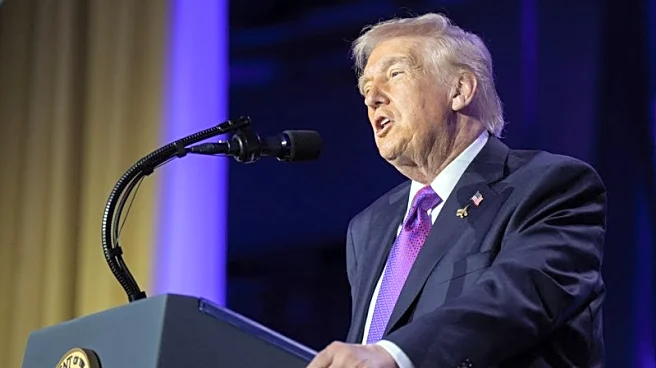
President Trump has called on Congress to enact The Great Healthcare Plan, a comprehensive initiative aimed at reducing healthcare costs in the United States. The plan seeks to lower prescription drug prices by codifying the Trump Administration's Most-Favored-Nation
deals, which aim to provide Americans with the same low prices for prescription drugs as those available in other countries. Additionally, the plan proposes making more pharmaceutical drugs available over-the-counter to reduce healthcare costs and increase consumer choice. The initiative also emphasizes maximizing price transparency by requiring healthcare providers and insurers to prominently post their pricing and fees. This move is intended to restore accountability and transparency, giving power back to patients.
Why It's Important?
The Great Healthcare Plan is significant as it addresses the ongoing issue of high healthcare costs in the U.S., particularly the cost of prescription drugs. By promoting price transparency and holding insurance companies accountable, the plan aims to empower consumers with better information to make informed healthcare decisions. This could potentially lead to reduced insurance premiums and lower out-of-pocket costs for patients. The plan also seeks to eliminate kickbacks that raise insurance premiums, which could result in significant savings for taxpayers and consumers. If successful, the plan could reshape the healthcare landscape by increasing competition and consumer choice, ultimately benefiting millions of Americans.
What's Next?
If Congress enacts The Great Healthcare Plan, healthcare providers and insurers will need to comply with new transparency requirements, which could lead to significant changes in how healthcare pricing information is shared with consumers. The plan's implementation would likely involve increased enforcement of price transparency rules by the Centers for Medicare and Medicaid Services. Additionally, the plan's focus on reducing drug prices and insurance premiums could prompt reactions from pharmaceutical companies and insurance providers, who may need to adjust their pricing strategies. The plan's success will depend on its ability to gain bipartisan support in Congress and effectively address the concerns of various stakeholders in the healthcare industry.