

What's Happening?
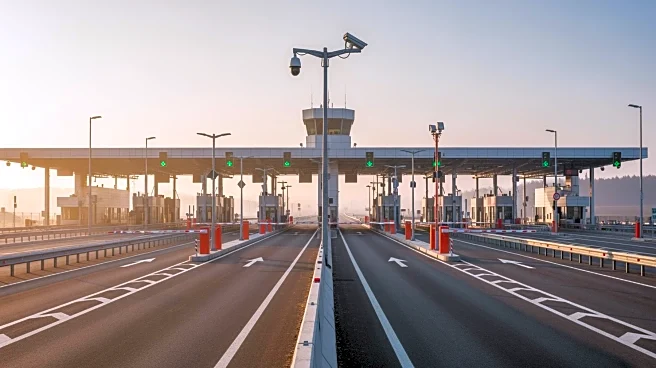
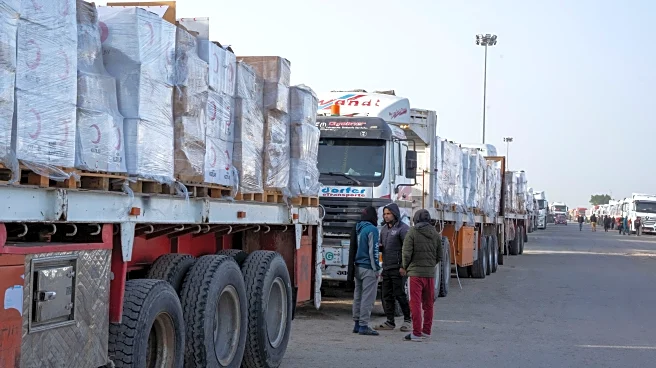
Israel has announced the reopening of the Rafah Crossing between the Gaza Strip and Egypt, marking a significant step in the implementation of the U.S.-brokered ceasefire plan. The reopening, scheduled for Sunday, will allow limited movement of people,
primarily for medical purposes. According to COGAT, the Israeli military body responsible for coordinating aid to Gaza, up to 150 people will be permitted to leave Gaza daily, including 50 medical patients accompanied by two family members each. The crossing, which has been largely closed since May 2024, will be supervised by European Union border patrol agents, with both Israel and Egypt vetting individuals for exit and entry. This development follows the recovery of the last hostage in Gaza, which paved the way for the crossing's reopening. Israeli Prime Minister Benjamin Netanyahu emphasized that disarming Hamas and destroying its tunnels are prerequisites for Gaza's reconstruction, making the control over Rafah a strategic leverage point.
Why It's Important?
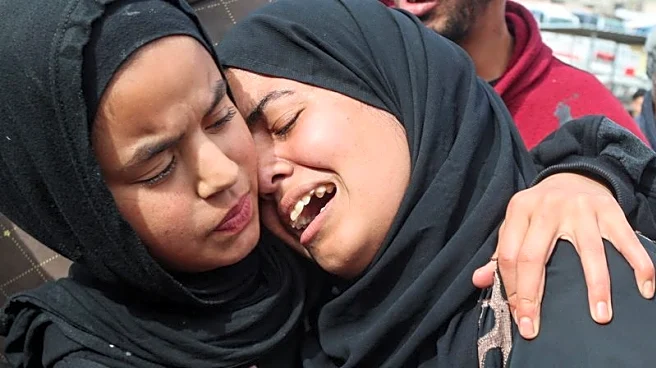
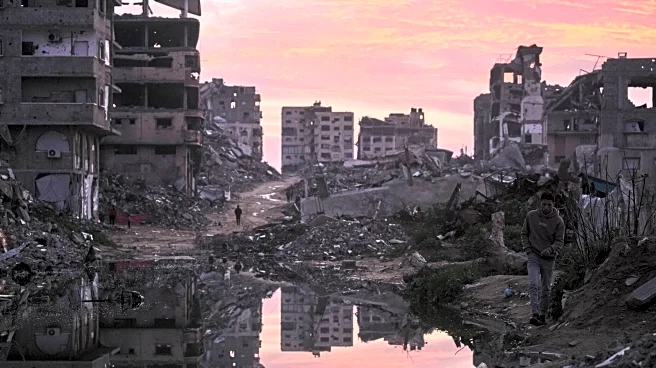
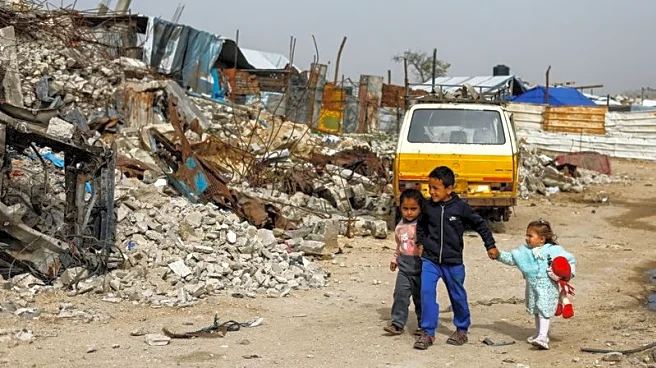
The reopening of the Rafah Crossing is a critical component of the second phase of the ceasefire agreement, which aims to address complex issues such as the demilitarization of Gaza and the establishment of an alternative government for its reconstruction. This move is expected to alleviate some of the humanitarian challenges faced by the residents of Gaza, particularly those requiring medical treatment unavailable within the territory. The decision also reflects ongoing diplomatic efforts to stabilize the region and reduce tensions. However, the limited nature of the reopening underscores the fragile nature of the ceasefire and the significant hurdles that remain in achieving lasting peace. The control over the crossing by Israel and Egypt, along with the involvement of the European Union, highlights the international dimension of the conflict and the need for coordinated efforts to ensure security and humanitarian relief.
What's Next?
The reopening of the Rafah Crossing is expected to be closely monitored by international stakeholders, including the United States, which brokered the ceasefire. The initial phase will serve as a trial for operations, with full two-way travel anticipated to begin on Monday. The success of this initiative could influence further negotiations on the broader ceasefire terms, including the disarmament of Hamas and the reconstruction of Gaza. The situation remains delicate, with potential for renewed hostilities if key issues are not addressed. The international community will likely continue to play a significant role in facilitating dialogue and providing humanitarian assistance to the affected populations.