





What's Happening?
Canada has imposed a temporary ban on livestock imports from Texas following the detection of New World screwworm in the state. This decision comes after the U.S. Department of Agriculture identified the parasite in a calf in South Texas, marking the first
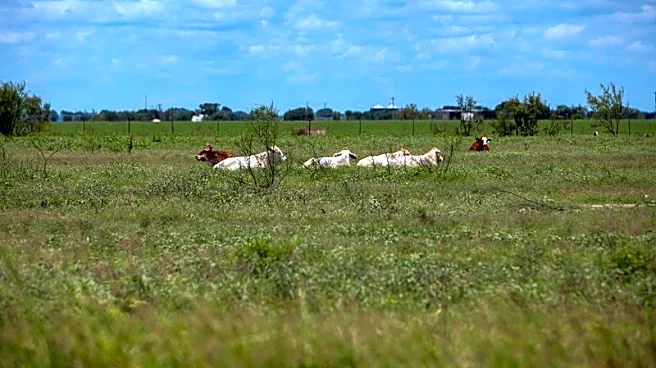
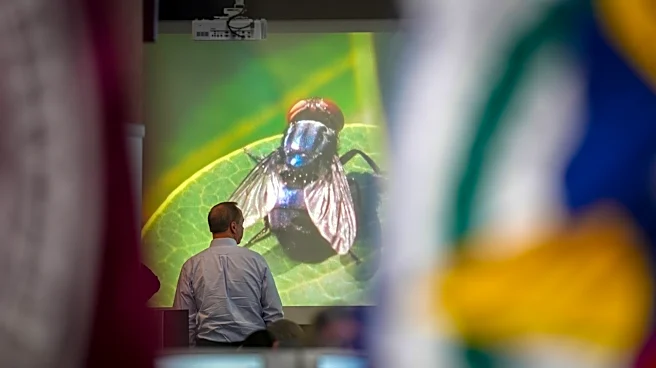
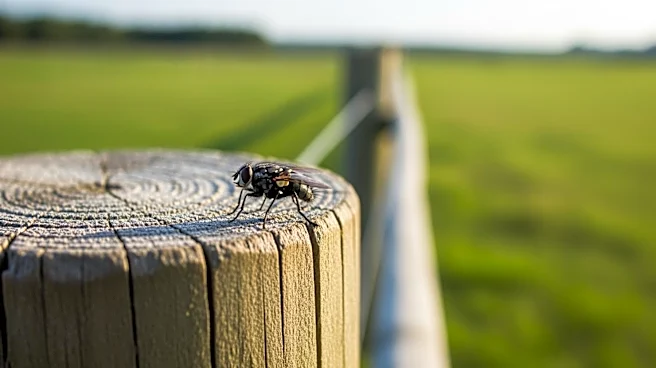
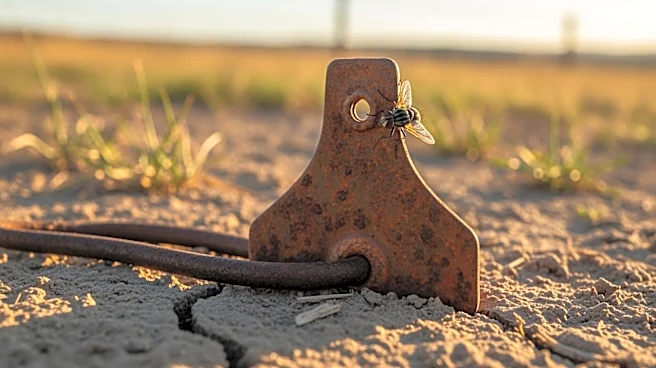
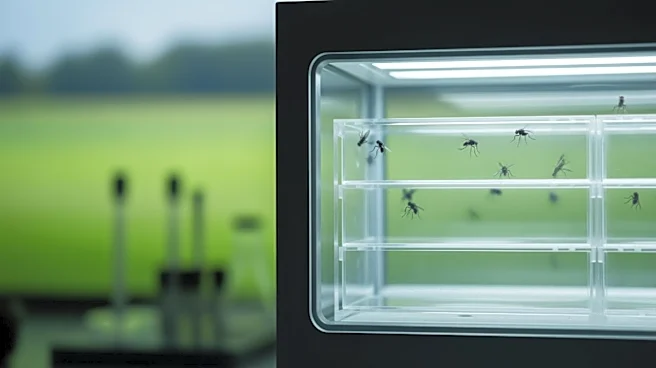
U.S. case in decades. The screwworm, a flesh-eating parasite, poses significant risks to Texas' cattle industry, valued at $15.5 billion. The Canadian Food Inspection Agency announced the ban to prevent the spread of the parasite, which is not currently present in Canada. Texas Governor Greg Abbott declared a state of disaster, criticizing Canada's response as an overreaction. The U.S. is working to contain the outbreak using sterile male screwworm flies to reduce the population.
Why It's Important?
The ban on Texas livestock by Canada highlights the economic and agricultural implications of the screwworm outbreak. Texas, as the largest beef and cattle producer in the U.S., plays a crucial role in the agricultural trade with Canada, which imports over $3 billion in live animals and animal products from the U.S. annually. The outbreak threatens the cattle industry and could lead to significant economic losses if not contained. The situation also underscores the importance of international cooperation in managing agricultural pests and diseases. Criticism of past administrative decisions regarding budget cuts for monitoring programs further complicates the political landscape.
What's Next?
Efforts to control the screwworm outbreak will continue, with the U.S. expanding the use of sterile male flies to curb the parasite's spread. The Canadian agency will work closely with U.S. counterparts to assess the situation and adjust measures as needed. The outcome of these efforts will determine the duration of the livestock ban and its impact on trade. Additionally, political and public scrutiny of past and current administrative actions may influence future policy decisions regarding agricultural pest management.