




What's Happening?
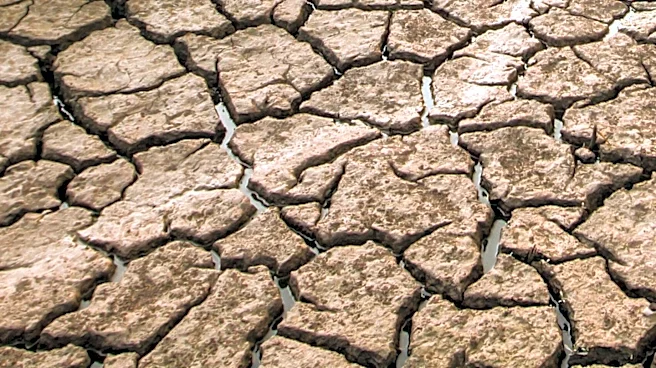
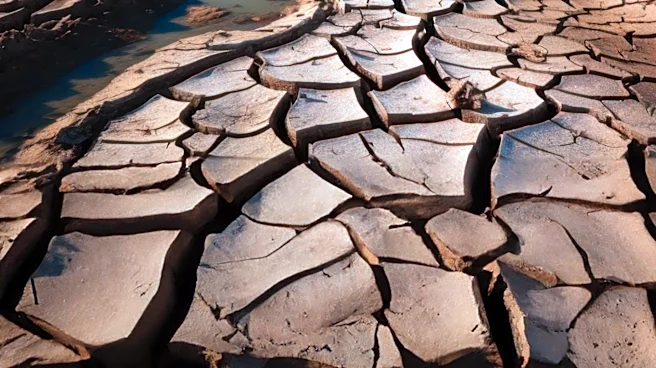
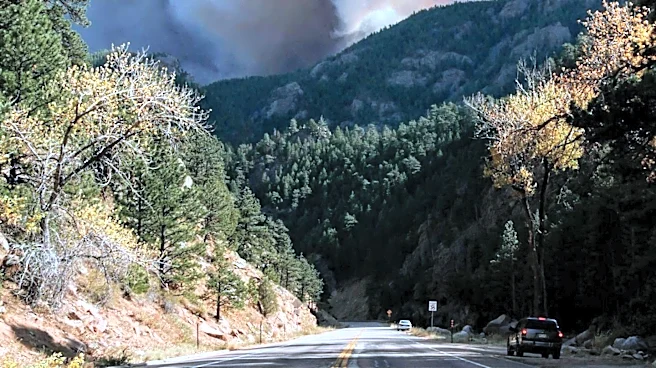
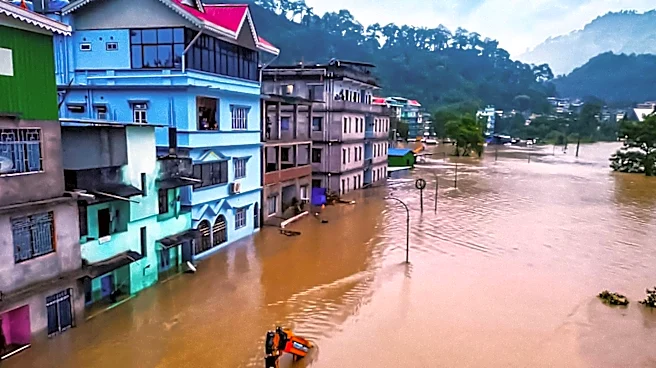
Nicaragua is grappling with significant drought vulnerability, as highlighted in a recent assessment. The country is exposed to a complex array of hazards due to its geographical location and environmental conditions. These include drought, excessive
precipitation, hurricanes, floods, landslides, and sea-level rise, compounded by soil degradation and limited water availability. The 2025 Nationally Determined Contribution (NDC) identifies over 2,500 communities with high or very high vulnerability. The country's disaster risk is exacerbated by the interaction of these hazards, necessitating an integrated multi-hazard risk-management system. The World Bank's ThinkHazard screening classifies several hazards, including river floods and earthquakes, as high risk in Nicaragua. The country is also part of the Central American Dry Corridor, which is particularly susceptible to drought, affecting agriculture and food security.
Why It's Important?
The high vulnerability to drought and other hazards in Nicaragua has significant implications for its agriculture, water resources, and overall socio-economic stability. The country's reliance on rain-fed agriculture makes it particularly susceptible to climate variability, impacting food security and livelihoods. The interaction of multiple hazards can lead to compounded disasters, increasing the difficulty of recovery and resilience building. The need for an integrated risk-management approach is critical to mitigate these risks and protect vulnerable communities. The situation in Nicaragua serves as a stark reminder of the broader challenges faced by countries in similar multi-hazard environments, highlighting the importance of international cooperation and support in building resilience against climate change and natural disasters.
What's Next?
Nicaragua is focusing on transitioning towards an integrated, anticipatory multi-hazard risk-management system. This includes enhancing hydrometeorological forecasting, seismic and volcanic monitoring, and implementing early warning systems. The 2025 NDC prioritizes hydrometeorological modernization, urban drainage improvements, and resilient infrastructure development. The country aims to strengthen its disaster-risk governance and early-warning capacity, with a focus on the most vulnerable regions, such as the hurricane-exposed Caribbean Autonomous Regions and the drought-prone Dry Corridor. Continued international support and collaboration will be essential in achieving these goals and enhancing Nicaragua's resilience to future climate and disaster risks.