


What's Happening?
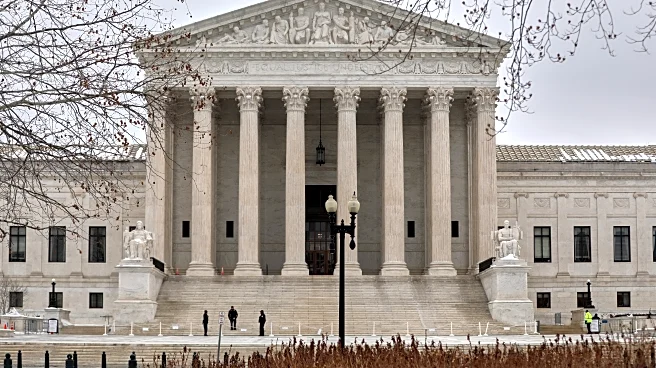
The Supreme Court has invalidated tariffs imposed by President Trump under the International Emergency Economic Powers Act of 1977, ruling against his claim of tariff power. The decision, which was a 6-3 vote, has led to a significant setback for Trump's
economic agenda. In response, President Trump announced plans to implement a temporary 10% global tariff on all imports using 'Section 122' powers, which will expire unless Congress extends it within 150 days. The ruling has caused frustration within the Trump administration, with the President criticizing the court and expressing his intent to continue pursuing his tariff strategy through alternative legal avenues.
Why It's Important?
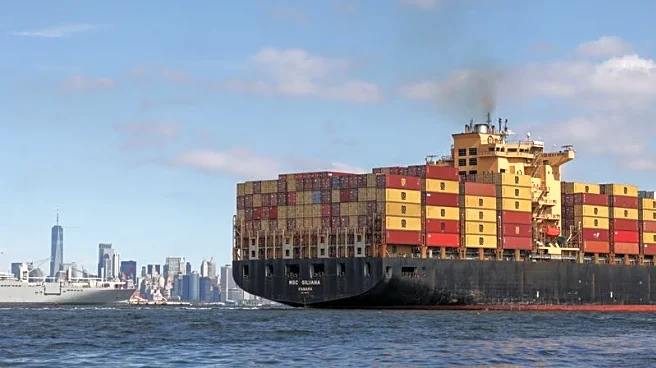
This Supreme Court decision is pivotal as it challenges the extent of presidential power in imposing tariffs, a key component of President Trump's economic policy. The ruling could have significant implications for U.S. trade relations and economic policy, potentially affecting industries reliant on imported goods. The decision also highlights the ongoing tension between the executive branch and the judiciary, with potential impacts on future policy-making and the balance of power. Stakeholders in the business community and international trade partners will be closely monitoring the administration's next steps, as these could influence market dynamics and economic stability.
What's Next?
Following the Supreme Court's decision, President Trump is expected to pursue alternative legal strategies to maintain his tariff policies. The administration may seek legislative support to extend the temporary tariffs or explore other executive powers to achieve similar economic objectives. The response from Congress and international trade partners will be crucial in determining the future of U.S. trade policy. Additionally, the ruling may prompt further legal challenges and debates over the scope of presidential authority in economic matters.