







What's Happening?
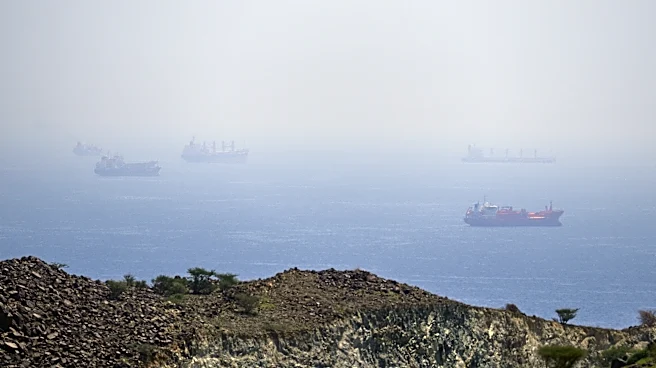
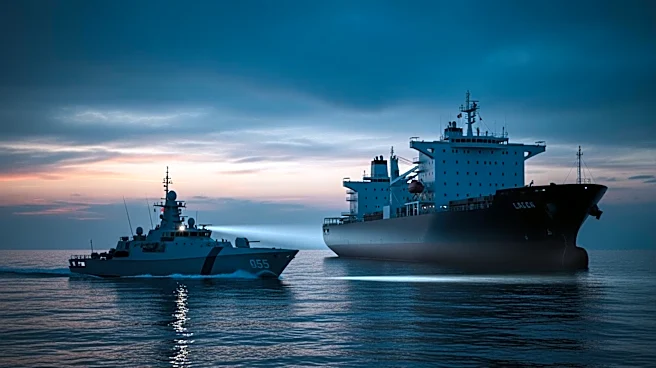
Iranian forces have seized two container ships in the Strait of Hormuz, escalating tensions and threatening diplomatic efforts to end the conflict with the United States. The seizures occurred shortly after President Trump extended a ceasefire with Iran.
The Islamic Revolutionary Guard Corps Navy claimed the ships were operating without necessary permits and tampering with navigation systems. This development complicates ongoing negotiations, as a US delegation was set to meet with Iranian officials in Islamabad for further talks. However, Iran's refusal to attend the talks, citing the US blockade of the strait, has stalled progress. The situation underscores the strategic importance of the Strait of Hormuz and the challenges in reaching a diplomatic resolution.
Why It's Important?
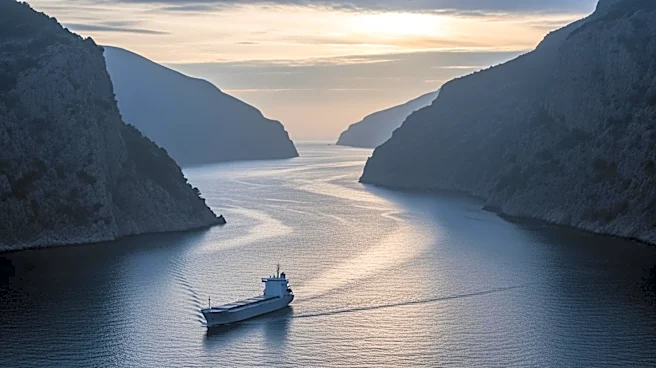
The Strait of Hormuz is a critical chokepoint for global oil transportation, and disruptions in this region can have significant economic and geopolitical consequences. The recent ship seizures highlight the fragility of the ceasefire and the complexities of negotiating peace in a region with deep-seated tensions. The US and Iran's actions in the strait could impact global energy markets, leading to increased oil prices and economic instability. The situation also reflects broader regional dynamics, including the influence of military and political actors in shaping the outcome of the conflict. The ongoing tensions may necessitate increased diplomatic efforts and international mediation to prevent further escalation.