







What's Happening?
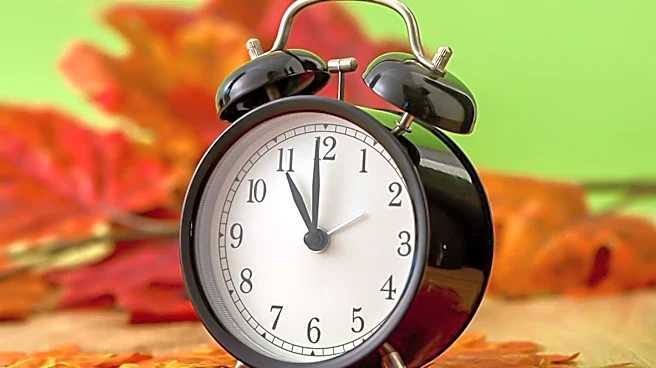
The annual fall clock change, when daylight saving time ends in the U.S. and clocks are set back an hour, significantly impacts human circadian rhythms. This shift, occurring on the first Sunday in November, moves sunrise and sunset an hour earlier on paper,
but the body's internal clock, primarily regulated by light reaching the retina, does not immediately adjust. This creates a temporary misalignment between biological time and social time. Research by Charles Czeisler at Harvard and Till Roenneberg on chronotypes has established that sleep quality is heavily dependent on this alignment. The one-hour change, while seemingly minor, can lead to various effects on sleep, mood, and daytime function, including prolonged adjustment periods, shifts in melatonin production and REM sleep, and differing recovery timelines for children, teenagers, and older adults. Some effects are transient, while others highlight the body's sensitivity to even small disruptions in its natural rhythm.
Why It's Important?
The disruption caused by the fall clock change has notable implications for public health and productivity across the U.S. The misalignment between internal and external schedules can lead to reduced reaction time, impaired sustained attention, and decreased ability to focus, impacting daily performance in workplaces and schools. For individuals with pre-existing conditions such as insomnia, delayed sleep-wake phase disorder, sleep apnea, or seasonal mood changes, the effects of the time change can be more severe and prolonged. This annual event underscores the critical role of circadian rhythms in overall health and well-being, highlighting how even a one-hour shift can mimic milder symptoms of jet lag or shift work. Understanding these impacts is crucial for developing strategies to mitigate negative health consequences and improve public awareness regarding the importance of circadian alignment.
What's Next?
While the fall clock change is a recurring event, ongoing research into circadian rhythms continues to shed light on its effects. The established science suggests that individuals, particularly those with sleep disorders or other sensitivities, may need to proactively adjust their routines to minimize disruption. Public health campaigns could offer guidance on how to prepare for and adapt to the time change, such as gradually shifting sleep schedules in the days leading up to the event. Discussions around the permanent adoption of either standard time or daylight saving time in the U.S. often cite these health impacts as a key factor. Further research may explore more effective interventions or policy changes to reduce the negative consequences of these annual shifts on the population's health and productivity.
Beyond the Headlines
The annual clock change serves as a stark reminder of the profound influence of light on human biology and the delicate balance of our internal clocks. Beyond the immediate effects on sleep and mood, the disruption of circadian rhythms can have long-term implications for metabolic health, cardiovascular function, and mental well-being. The debate over daylight saving time often overlooks the fundamental biological principles at play, focusing instead on economic or social convenience. This event highlights a broader societal challenge: how modern life, with its artificial lighting and demanding schedules, often conflicts with our evolutionary biological programming. A deeper understanding of circadian science could lead to more biologically informed urban planning, workplace policies, and personal habits that better support human health and optimize our natural rhythms.