
What's Happening?
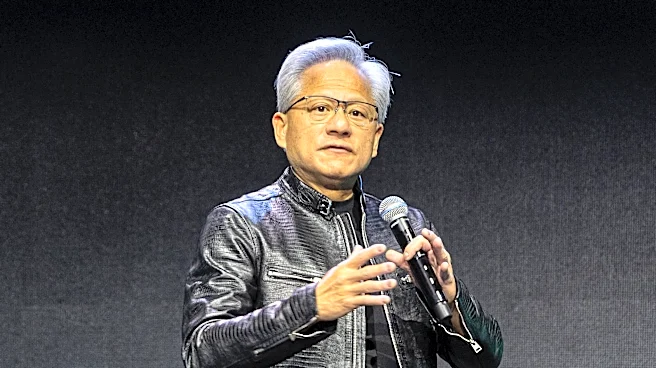
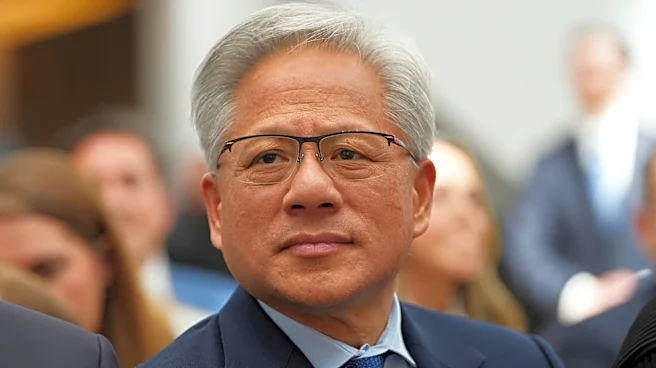
Nvidia's board of directors has launched an independent investigation into reports that CEO Jensen Huang was targeted by a foreign intelligence effort. This action follows recent reports from The New York
Times and the Financial Times detailing Huang's relationship with Alice Huang, a Chinese businesswoman who U.S. intelligence agencies reportedly identified as a Chinese spy. The two individuals are not related. According to a person familiar with the matter, U.S. intelligence agencies determined that Alice Huang was recruited by China's top intelligence agency. Nvidia stated that a committee of independent directors, assisted by outside independent counsel, will oversee the investigation. The company emphasized its commitment to U.S. national and economic security, which it deems paramount to the interests of Nvidia and its shareholders. While Nvidia currently has no reason to believe that national security or company secrets were compromised, the board's inquiry will examine all available information.
Why It's Important?
This investigation carries significant implications for U.S. national security and the technology sector. Nvidia is a leading developer of advanced chips, a critical technology with both commercial and military applications. The potential compromise of sensitive U.S. technology and information to a foreign adversary, particularly China, raises serious concerns about intellectual property theft and national defense. The incident could lead to increased scrutiny of U.S. technology companies' interactions with foreign entities and potentially influence future export control policies. For Nvidia, the investigation could impact its reputation, investor confidence, and its ability to operate in key markets. The company's commitment to an independent inquiry aims to reassure stakeholders, but the outcome will be closely watched by government officials, industry competitors, and the investment community.
What's Next?
The independent investigation by Nvidia's board, overseen by a committee of independent directors and outside counsel, will proceed to examine all available information regarding Jensen Huang's relationship with Alice Huang and any potential compromise of national security or company secrets. Congressional scrutiny is also expected to intensify. Rep. John Moolenaar, R-Mich., chairman of the House Permanent Select Committee on China, has already called for a thorough investigation into whether Huang shared privileged information, was influenced to lobby against chip sales restrictions to China, or gave China preferential access to advanced chips. Lawmakers may push for export control legislation or further congressional inquiries. The Chinese Foreign Ministry has dismissed the allegations as unsubstantiated smears against China.
Beyond the Headlines
This incident highlights the complex and often fraught relationship between global commerce, personal conduct, and national security in an era of heightened geopolitical competition. The alleged targeting of a high-profile CEO by a foreign intelligence agency underscores the evolving nature of espionage, moving beyond traditional state secrets to include economic and technological intelligence. It also raises ethical questions about the responsibilities of corporate leaders, particularly those in critical technology sectors, to safeguard sensitive information and avoid situations that could be exploited by foreign adversaries. The outcome of this investigation could set precedents for how U.S. corporations manage relationships with foreign entities and how intelligence agencies address such vulnerabilities in the private sector.