

What's Happening?
Retiring Representative Mark Amodei from Nevada has publicly stated that he will not endorse David Flippo, the Republican nominee aiming to succeed him in Nevada's 2nd Congressional District. This decision comes despite Flippo's victory over Amodei's
preferred candidate in the GOP primary. Amodei has expressed his disapproval of Flippo, describing him as 'not my cup of tea' and criticizing his political history and approach. The two have not communicated since the primary, and Amodei has dismissed Flippo's attempts to reach out, citing arrogance as a reason for withholding support. Flippo, on the other hand, has expressed a desire to collaborate on transitioning casework and understanding ongoing legislative priorities.
Why It's Important?
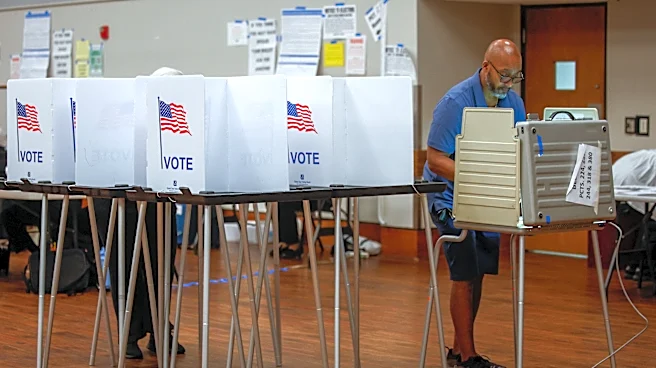
Amodei's refusal to endorse Flippo could have significant implications for the upcoming election in Nevada's 2nd Congressional District. Historically a Republican stronghold, the district's dynamics could shift if Amodei's lack of support influences voter sentiment. This situation highlights internal divisions within the Republican Party, potentially affecting party unity and strategy. Additionally, the Democratic Congressional Campaign Committee's interest in the district suggests a competitive race, which could alter the political landscape in Northern Nevada. The outcome may impact legislative priorities and representation for the region, affecting local and national political strategies.
What's Next?
As the election approaches, both candidates will likely intensify their campaigns to secure voter support. Flippo may need to address the lack of endorsement from Amodei and work to build a broader coalition. The Democratic nominee, Teresa Benitez-Thompson, could capitalize on the Republican rift to gain traction in a traditionally Republican district. The race's outcome will be closely watched as an indicator of broader political trends and party dynamics. Stakeholders, including political analysts and party strategists, will monitor developments to assess potential impacts on future elections and party cohesion.