



What's Happening?
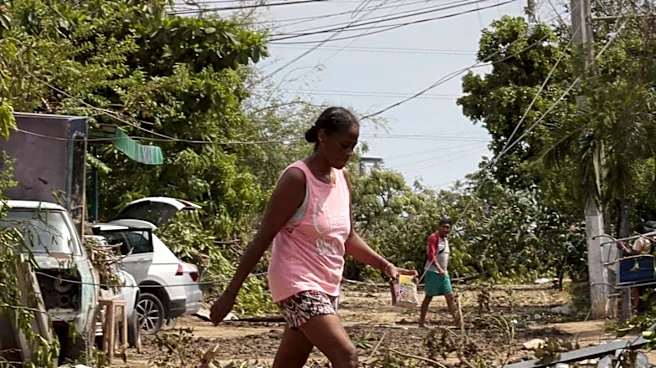
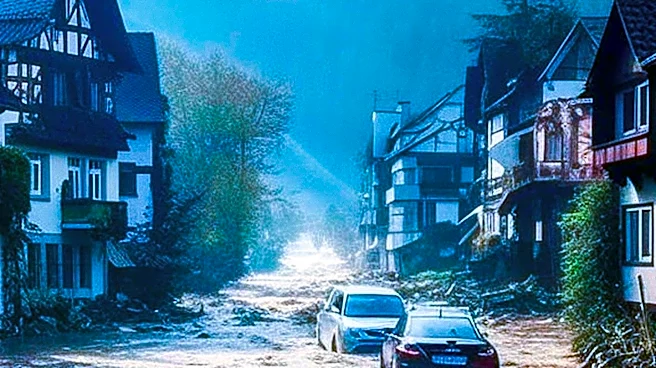
European cities are grappling with the severe human and economic costs of extreme weather events, as highlighted by a Eurocities Pulse survey. The summer of 2026 saw record temperatures, devastating wildfires, and significant strain on public services
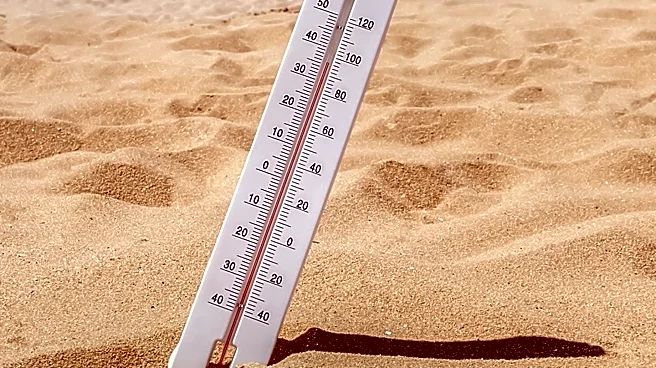
across the continent. Bordeaux experienced seven days above 40°C, leading to mass evacuations and overwhelmed municipal services. Other cities like Dresden, Ghent, Brussels, and Stuttgart reported disruptions to transport, increased emergency department patients, and substantial financial outlays for emergency responses. Over half of the surveyed cities experienced three or more heatwaves, with 52% reporting moderate to severe strain on health and emergency services. These events underscore a worrying reality: even cities with established emergency plans are struggling to cope with the increasing severity of extreme weather. The preliminary findings indicate widespread environmental impacts, including drought conditions in 65% of cities and road asphalt softening in 33%.
Why It's Important?
The escalating climate emergencies in Europe have significant implications for public health, local economies, and urban infrastructure. The financial burden on municipal budgets is substantial, with cities like Stuttgart spending €300,000 on emergency cooling points. This diverts funds from other essential services and highlights a critical gap between growing climate risks and available resources. The strain on health services, transport networks, and agricultural sectors impacts the quality of life for residents and the economic stability of urban centers. The Eurocities survey reveals that while 85% of cities have climate adaptation plans, only about 20% have dedicated finance strategies, indicating a systemic underfunding of climate resilience efforts. This situation poses a long-term threat to urban competitiveness and business continuity across Europe, as climate inaction leads to billions in damages and disruptions.
What's Next?
The European Commission's new Climate Resilience Framework, published on October 27, aims to address these threats. It includes a proposed European Climate Resilience Law that requires cities to participate in national adaptation plans and establishes common climate reference scenarios and regular risk assessments. The success of this framework will depend on translating these commitments into practical action, requiring technical expertise, specialist staff, and predictable funding for cities. The upcoming European Heatwave Plan, expected early next year, offers another opportunity to strengthen Europe's response, focusing on better access to local health data, stronger coordination between authorities, and sustained investment in prevention measures like cooler neighborhoods and green spaces. Cities are also developing their own solutions, such as Bordeaux's plan for cooled refuge rooms in schools by summer 2027 and Amsterdam's expansion of public cooling spaces.
Beyond the Headlines
The ongoing climate crisis in Europe exposes deeper ethical and governance challenges. The disproportionate impact on vulnerable populations during heatwaves, as noted by Jürgen Czernohorszky, Executive City Councillor for Vienna, underscores the need for equitable climate adaptation strategies. The lack of dedicated staff for climate adaptation in nearly one in five cities highlights a systemic under-prioritization of long-term resilience. Furthermore, the reliance on emergency responses rather than proactive prevention signifies a reactive approach that is proving increasingly costly and unsustainable. The call from city leaders like Anna Lisa Boni, Deputy Mayor of Bologna, for dedicated EU funding emphasizes the need for a unified, well-resourced approach to climate resilience, recognizing cities as strategic partners rather than mere implementers of decisions. This shift is crucial for building safer, healthier communities and protecting essential infrastructure from future climate shocks.