
What's Happening?
The City of Tacoma has been awarded $2.25 million in federal funding through the Highway Safety Improvement Program. This grant is specifically designated for enhancing safety at two key intersections
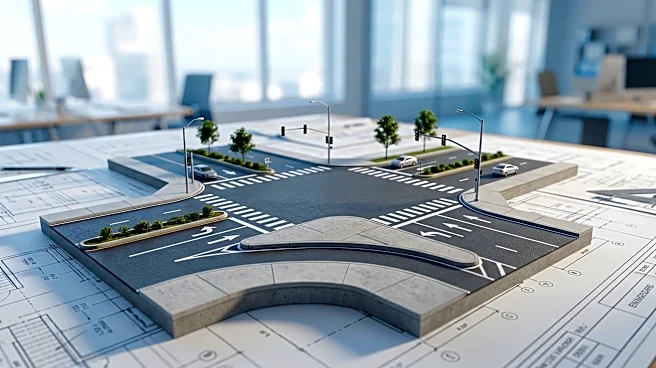
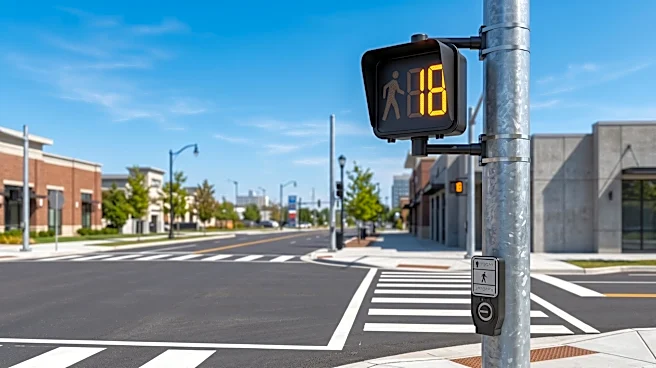
along the South 21st Street Corridor: South 21st Street and South Yakima Avenue, and South 21st Street and Tacoma Avenue South. These intersections have been identified as part of the City’s Vision Zero High-Risk Network, indicating a priority for safety upgrades. The planned improvements include the installation of new traffic signals equipped with accessible pedestrian signals and leading pedestrian intervals. These features are designed to provide pedestrians and those using mobility devices with a head start when crossing, before vehicle traffic is permitted to turn. The new signals will also integrate with Tacoma’s existing traffic network to optimize traffic flow. The design and community outreach phases for this project are slated to continue into early 2028, with construction anticipated to conclude by the end of 2028.
Why It's Important?
This federal grant is crucial for Tacoma as it directly addresses identified high-risk areas within the city's transportation infrastructure, aligning with its Vision Zero initiative aimed at eliminating traffic fatalities and serious injuries. The improvements will enhance pedestrian safety, particularly for vulnerable road users, by providing dedicated crossing times and accessible signals. This can lead to a reduction in accidents and improve overall traffic predictability and flow in a busy urban corridor. For residents and commuters in Tacoma, these upgrades mean safer daily travel, whether walking, cycling, or driving. The integration of new signals with the existing network also suggests a more efficient and responsive traffic management system, potentially reducing congestion and travel times. The investment underscores a commitment to modernizing urban infrastructure to meet contemporary safety standards and improve quality of life for city inhabitants.
What's Next?
Following the grant award, the City of Tacoma will proceed with the design phase and community outreach efforts, which are expected to extend into early 2028. This period will likely involve detailed engineering plans, public consultations, and coordination with local stakeholders to ensure the improvements meet community needs and technical specifications. After the design and outreach are complete, construction is projected to begin, with an anticipated completion date by the end of 2028. During the construction phase, residents can expect potential traffic disruptions, though these will likely be managed to minimize inconvenience. The successful implementation of this project could serve as a model for future safety improvements in other high-risk areas within Tacoma, potentially leading to further grant applications and infrastructure upgrades as part of the ongoing Vision Zero initiative.
Beyond the Headlines
The allocation of federal funds for specific urban safety projects like this highlights a broader national trend towards investing in local infrastructure to enhance public safety and accessibility. It reflects a recognition that well-designed urban environments contribute significantly to public health and economic vitality. Beyond the immediate safety benefits, such projects can foster greater walkability and bikeability, encouraging more sustainable modes of transportation and potentially reducing reliance on personal vehicles. This aligns with broader environmental goals and can contribute to a more vibrant, community-oriented urban core. The emphasis on accessible pedestrian signals also underscores a commitment to inclusivity, ensuring that infrastructure improvements benefit all members of the community, including those with disabilities. This project is not just about traffic signals; it's about building a more resilient, equitable, and safer urban fabric for Tacoma.