





What's Happening?
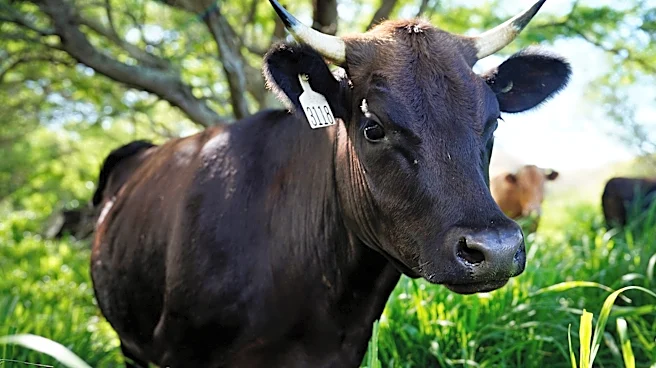
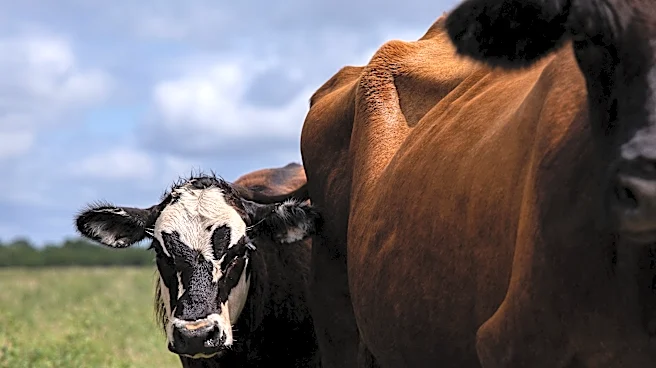
Cattle farmers are encountering a common issue during the winter months where cows lose body condition despite the presence of abundant grass. According to Ernest Makua, a livestock technical advisor at Red Meat Industry Services, the problem lies not
in the quantity of grass but in its nutritional quality. During spring and summer, grass is rich in energy and protein, essential for cattle growth and reproduction. However, as autumn transitions into winter, the nutritional value of grass declines significantly. The grass becomes more fibrous and contains less protein, leading to what is known as the winter nutrition gap. This gap occurs because the nutritional needs of cows, especially pregnant ones, remain high while the nutrients provided by the grass decrease. As a result, cattle may lose body condition, impacting productivity.
Why It's Important?
The winter nutrition gap poses a significant challenge for cattle farmers, affecting the health and productivity of their herds. This issue is crucial as it directly impacts the economic viability of cattle farming operations. Farmers must understand that the visual abundance of grass does not equate to nutritional adequacy. Addressing this gap is essential for maintaining herd health and ensuring consistent milk production and growth rates. The economic implications are substantial, as reduced productivity can lead to financial losses for farmers. By recognizing the need for nutritional supplements and appropriate feeding strategies, farmers can mitigate these risks and maintain the profitability of their operations.
What's Next?
To address the winter nutrition gap, cattle farmers need to implement strategies that ensure their herds receive adequate nutrition during the colder months. This involves selecting the right supplements and feeding methods to complement the declining nutritional value of winter grass. Farmers may need to consult with livestock advisors to develop tailored feeding plans that meet the specific needs of their herds. Additionally, ongoing education and awareness about the importance of nutritional quality over quantity can help farmers make informed decisions. By taking proactive measures, farmers can improve herd performance and sustain productivity throughout the winter season.