






What's Happening?
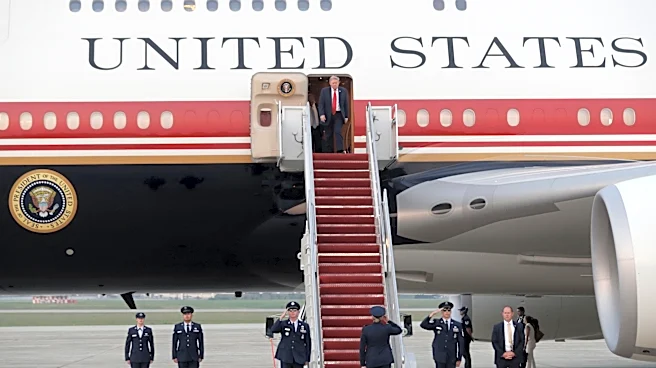
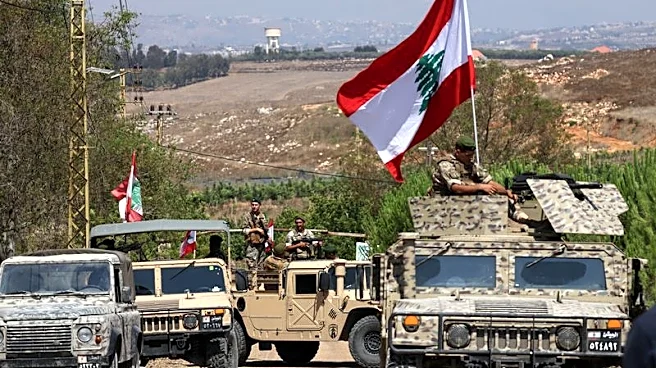
Lebanese President Joseph Aoun's visit to the White House marks a significant diplomatic engagement, as Lebanon and Israel explore potential peace opportunities. This visit, the first by a Lebanese president in 17 years, comes at a time of profound change
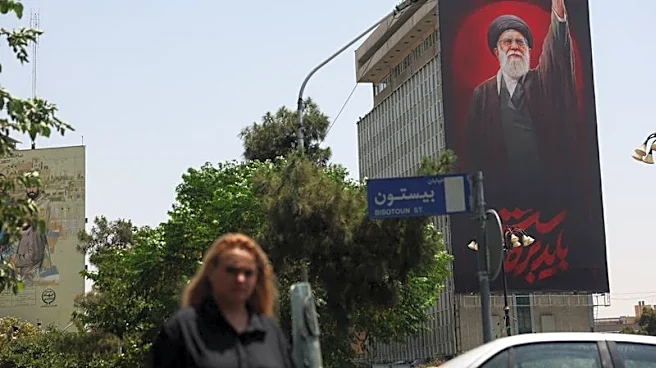
in the Middle East. Both nations have begun a negotiation process hosted by the United States, aiming to establish a permanent peace agreement. The discussions are seen as a chance to break the cycle of conflict influenced by Hezbollah and Iranian interests. The potential for cooperation in areas such as energy, environmental protection, and business ventures is highlighted as a path to mutual benefit.
Why It's Important?
The potential peace between Lebanon and Israel could reshape the geopolitical landscape of the Middle East. A successful agreement would not only reduce regional tensions but also open avenues for economic and social cooperation. For Lebanon, breaking free from Iranian influence and Hezbollah's control could lead to greater sovereignty and stability. For Israel, peace with Lebanon would enhance security and create new economic opportunities. The involvement of the United States underscores the international significance of these negotiations, as they could set a precedent for resolving other longstanding conflicts in the region.
What's Next?
The next steps involve escalating the negotiations to serious peace talks, with both nations aiming for a comprehensive agreement. The outcome will depend on the willingness of both sides to compromise and address security concerns. The international community, particularly the United States, will play a crucial role in facilitating these discussions and ensuring that the momentum towards peace is maintained. The decisions made in the coming months could have lasting impacts on the region's future.