
What's Happening?
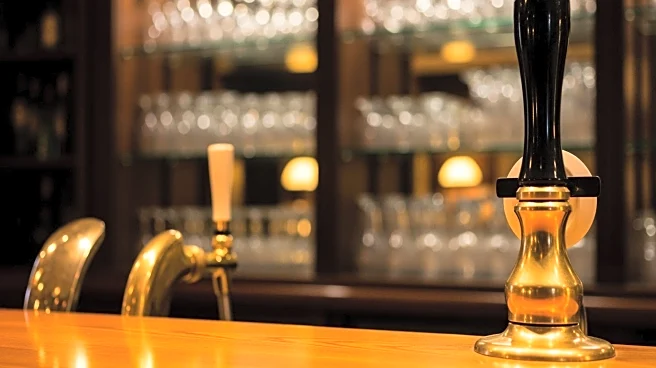
The UK government has reversed its decision to increase business rates for pubs, a move that has been met with criticism from various quarters. The initial rate hikes were announced by Chancellor Rachel
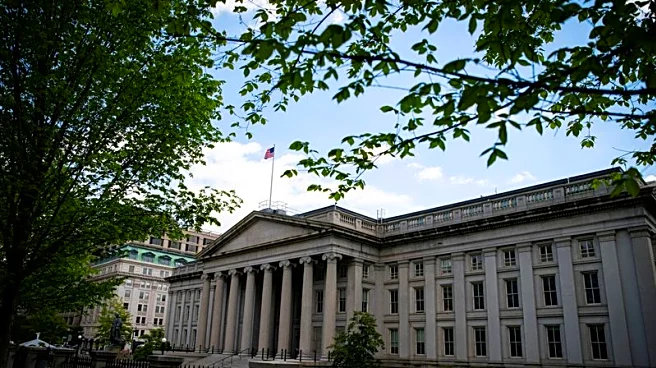
Reeves six weeks ago as part of the budget. However, following backlash from the hospitality industry and political figures, the government has decided to 'water down' these increases. The Daily Mail and Daily Express have described this reversal as 'too little too late' and 'humiliating' for the Labour government. The decision comes after significant pressure from within the party and the public, with Labour MP Emma Lewell expressing regret over the impact on pub owners and employees. The Treasury has stated that the reversal aims to 'cushion the blow' for the affected businesses.
Why It's Important?
This policy reversal is significant as it highlights the challenges faced by the hospitality sector in the UK, which has been struggling with financial pressures exacerbated by the pandemic. The initial tax hikes were seen as a potential threat to the survival of many pubs, which are integral to the UK's cultural and social fabric. The government's U-turn reflects the influence of public opinion and industry lobbying on policy decisions. It also underscores the political risks associated with unpopular economic measures, particularly in a sector that employs a substantial number of people and contributes significantly to the economy. The decision may provide temporary relief to pub owners, but it also raises questions about the government's fiscal strategy and its ability to balance economic recovery with public sector funding needs.
What's Next?
The government's decision to reverse the pub tax hike may lead to further scrutiny of its economic policies, particularly those affecting small businesses and the hospitality sector. Stakeholders in the industry may continue to advocate for more comprehensive support measures to ensure long-term sustainability. Additionally, the government may face pressure to address other contentious issues, such as inheritance tax changes and winter fuel payments, which have also been subjects of recent policy reversals. The political implications of these decisions could influence upcoming elections and the Labour party's standing with voters.