

What's Happening?
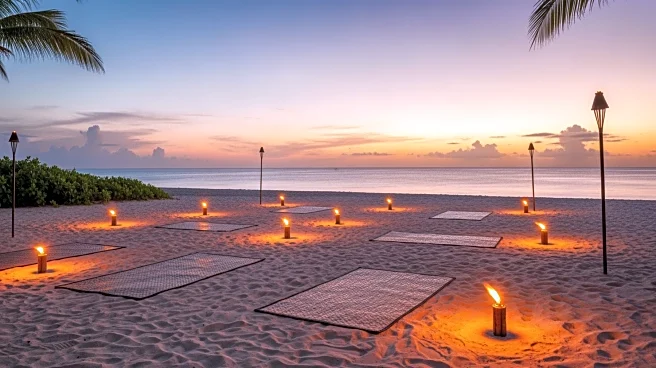
Paradise Cove, a long-standing luau venue in Kapolei, Hawaii, held its final event on New Year's Eve 2025, marking the end of a 47-year tradition. The closure results in the loss of 167 jobs as the site transitions to a $135 million development featuring
upscale shopping, dining, and entertainment. The luau, known for its cultural performances and community ties, has been a significant employer for local families. However, changing tourist preferences and increased competition from other luaus have contributed to its decline. The landowner, James Campbell Company, plans to redevelop the area to attract luxury-oriented visitors.
Why It's Important?
The closure of Paradise Cove reflects broader trends in Hawaii's tourism industry, where there is a shift towards more upscale and luxury experiences. This transition highlights the economic pressures faced by traditional cultural attractions in adapting to evolving tourist demands. The redevelopment of the site underscores the tension between preserving cultural heritage and pursuing economic growth through tourism. The impact on local employment and community identity is significant, as many families have longstanding ties to the luau. This development raises questions about the sustainability of cultural tourism and the balance between economic development and cultural preservation.
What's Next?
As the redevelopment of the Paradise Cove site progresses, stakeholders will likely engage in discussions about the future of tourism in Hawaii. The shift towards luxury tourism may prompt policymakers and community leaders to consider strategies for preserving cultural heritage while accommodating economic growth. The transition may also lead to increased advocacy for sustainable tourism practices that prioritize local communities and cultural preservation. The outcome of this redevelopment could serve as a case study for other regions facing similar challenges in balancing tourism and cultural identity.