


What's Happening?
One year after a significant blackout affected Spain and parts of Portugal, the country has continued its transition towards renewable energy sources. The blackout, initially blamed on solar power, was later attributed to governance failures related to grid
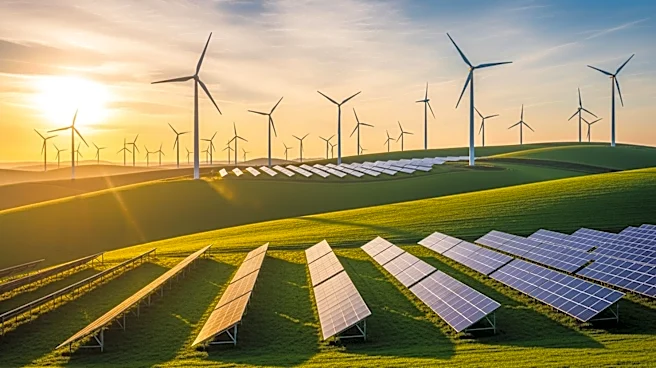
voltage. Despite initial criticisms, Spain has increased its investment in renewable energy, adding significant solar capacity in 2025. The shift has insulated Spain from rising gas prices due to geopolitical tensions, highlighting the resilience of renewable energy. The blackout prompted regulatory changes, allowing renewables to contribute to grid stability, further supporting Spain's energy transition.
Why It's Important?
Spain's continued commitment to renewable energy amidst global energy crises underscores the strategic importance of sustainable energy sources. The transition not only enhances energy security but also protects consumers from volatile fossil fuel prices. Spain's experience serves as a case study for other nations considering similar transitions, demonstrating the potential economic and environmental benefits. The shift also highlights the need for robust grid management and regulatory frameworks to support renewable integration, offering lessons for policymakers and energy stakeholders worldwide.
What's Next?
Spain is likely to continue expanding its renewable energy infrastructure, focusing on enhancing grid stability and reducing reliance on fossil fuels. The country may invest in technologies like battery storage and advanced grid management systems to further support its energy transition. Ongoing geopolitical tensions and energy price fluctuations could accelerate these efforts, as Spain seeks to maintain energy independence and affordability. The success of Spain's renewable strategy could influence energy policies in other countries, particularly within the European Union.