





What's Happening?
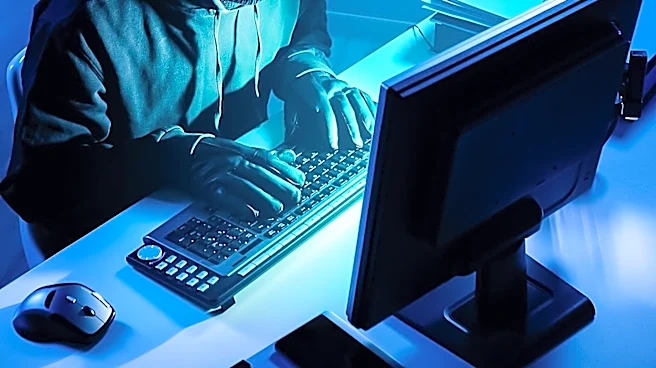
A Russian state-sponsored hacking group, known as Laundry Bear, has been exploiting a zero-day vulnerability in Zimbra Collaboration email servers to steal sensitive information. The flaw, identified as CVE-2025-66376, is a cross-site scripting vulnerability that
allows attackers to execute JavaScript embedded in HTML emails automatically when viewed by the victim. This enables the theft of account data without user interaction. The group has targeted various sectors, including defense, government, education, and media, primarily focusing on organizations aligned with Russian strategic interests. The vulnerability was patched in November 2025, but unpatched servers remain at risk.
Why It's Important?
The exploitation of this zero-day vulnerability highlights the ongoing threat posed by state-sponsored cyber espionage groups. The ability to steal sensitive information such as emails and two-factor authentication codes poses significant risks to national security and the integrity of critical infrastructure. Organizations in the U.S. and allied countries are particularly vulnerable, as these attacks can lead to data breaches, loss of sensitive information, and potential disruptions in operations. The incident underscores the importance of timely software updates and robust cybersecurity measures to protect against sophisticated cyber threats.
What's Next?
Organizations using Zimbra are advised to update to the latest software version and review published indicators of compromise. Monitoring for suspicious activity and implementing phishing-resistant multi-factor authentication are recommended to mitigate risks. As cyber threats continue to evolve, collaboration between government agencies and private sector entities will be crucial in enhancing cybersecurity resilience and protecting against future attacks.