







What's Happening?
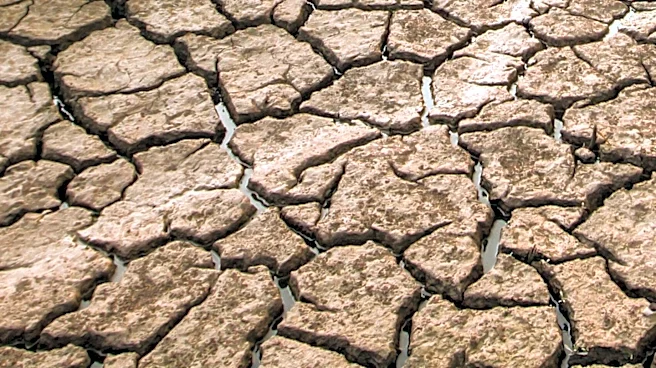
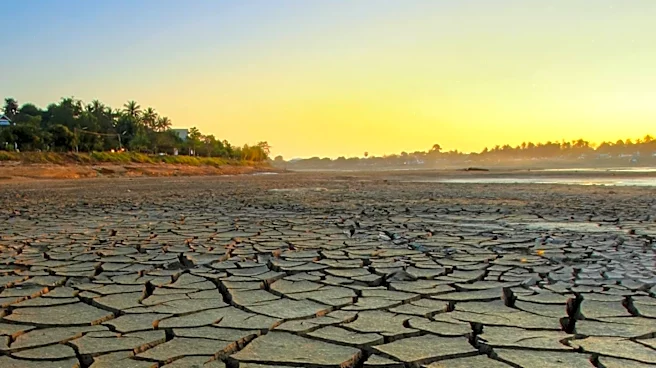
The U.S. Department of Agriculture (USDA) has declared 49 counties in Mississippi and one parish in Louisiana as natural disaster areas. This designation comes in response to severe drought conditions impacting these regions. The U.S. Drought Monitor
indicated that the affected counties experienced D2 Severe drought for at least eight consecutive weeks, or D3 Extreme to D4 Exceptional drought during the growing season. This declaration enables farmers in the designated areas to apply for emergency loans through the Farm Service Agency (FSA). These loans are intended to help producers recover from losses by providing funds for replacing equipment or livestock, reorganizing operations, and refinancing certain debts. FSA officials will assess applications based on the extent of losses, available security, and the applicant's ability to repay.
Why It's Important?
This USDA disaster designation is crucial for the agricultural sector in Louisiana and Mississippi, as it provides a vital financial safety net for farmers grappling with the economic fallout of severe drought. Drought conditions can lead to significant crop failures, livestock losses, and increased operational costs, threatening the livelihoods of agricultural producers and the stability of local economies. The availability of emergency loans allows farmers to mitigate some of these financial burdens, potentially preventing farm closures and ensuring continued food production. Without such assistance, many farmers might face insurmountable challenges, leading to broader economic impacts on rural communities that depend heavily on agriculture. The designation also highlights the increasing frequency and intensity of extreme weather events, underscoring the need for robust disaster relief mechanisms to support the nation's agricultural infrastructure.
What's Next?
Farmers in the newly designated disaster areas of Mississippi and Louisiana can now apply for emergency loans through the Farm Service Agency. The application deadline for these loans is June 21, 2027. FSA officials will begin reviewing applications, evaluating each based on the specific losses incurred, the security available, and the applicant's repayment capacity. This process will determine which farmers receive financial assistance to help them recover from the drought's impact. The USDA's ongoing monitoring of drought conditions through the U.S. Drought Monitor will continue to inform potential future disaster declarations or extensions of aid to other affected regions, as climate patterns evolve and impact agricultural productivity across the country.
Beyond the Headlines
The USDA's drought disaster designation extends beyond immediate financial relief, touching upon broader issues of climate resilience and agricultural sustainability. The recurring nature of severe drought in various U.S. regions, as evidenced by this declaration, underscores the long-term challenges posed by changing climate patterns to the nation's food supply chain. This situation prompts a deeper examination of agricultural practices, encouraging the adoption of more drought-resistant crops, water conservation techniques, and diversified farming strategies. Furthermore, it highlights the critical role of government agencies in providing timely support to maintain agricultural stability and food security in the face of environmental stressors. The need for comprehensive climate adaptation strategies in agriculture will likely become an increasingly prominent discussion point for policymakers and industry stakeholders.