







What's Happening?
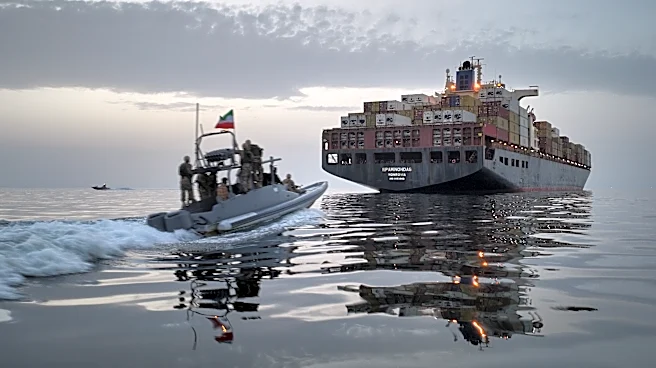
Israel has intercepted a flotilla of aid ships bound for Gaza in international waters near Greece. The flotilla, organized by Global Sumud Flotilla, aimed to break the Israeli blockade on Gaza by delivering humanitarian aid. The interception has been
criticized by the organizers as an act of piracy and an escalation of Israel's impunity. Israel's U.N. envoy, Danny Danon, defended the action, stating that the flotilla was stopped before reaching Israeli waters and described the participants as agitators. This incident follows a previous attempt by the same organization to reach Gaza, which was also halted by Israel.
Why It's Important?
The interception of the aid ships highlights ongoing tensions in the region and the challenges faced by humanitarian efforts in reaching Gaza. The blockade on Gaza has been a point of contention, with critics arguing that it exacerbates the humanitarian crisis in the region. This incident may further strain relations between Israel and international aid organizations, potentially impacting future humanitarian missions. It also underscores the complex geopolitical dynamics in the Middle East, where security concerns often clash with humanitarian objectives.
What's Next?
The interception is likely to draw international attention and could lead to diplomatic discussions regarding the legality and ethics of the blockade. Humanitarian organizations may seek alternative routes or methods to deliver aid to Gaza, while Israel may face increased pressure to justify its actions. The incident could also influence future policy decisions by international bodies regarding aid delivery in conflict zones. Additionally, there may be calls for increased transparency and accountability in the enforcement of blockades.
Beyond the Headlines
This event raises broader questions about the balance between national security and humanitarian needs. It highlights the ethical dilemmas faced by countries in enforcing blockades and the potential consequences for civilian populations. The situation also reflects the ongoing struggle for sovereignty and self-determination in the region, with implications for international law and human rights. As the global community grapples with these issues, there may be increased advocacy for policy changes and humanitarian interventions.