


What's Happening?
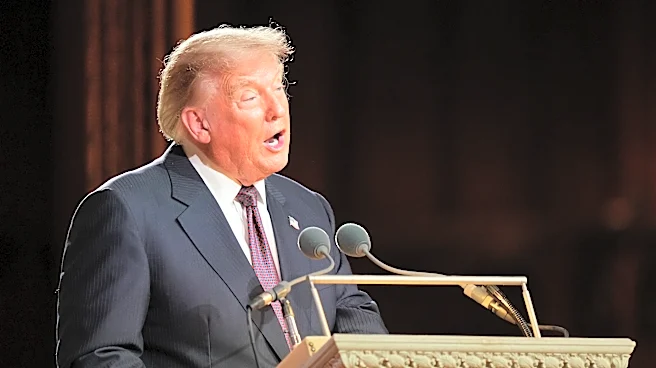
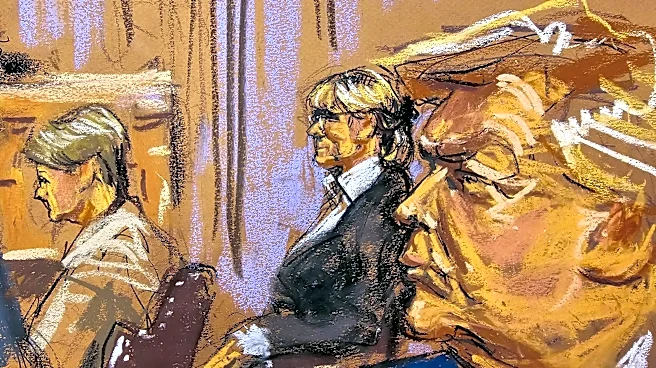
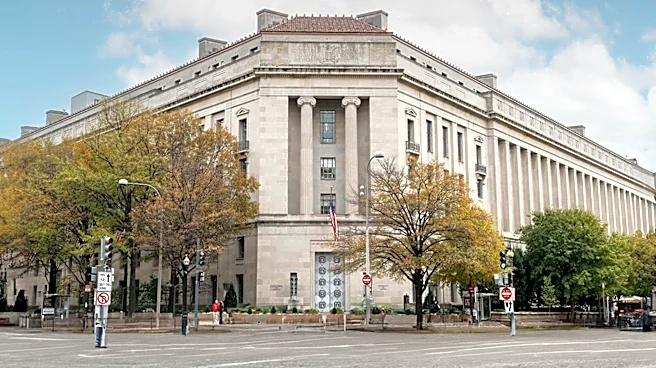
President Donald Trump and the Department of Justice have petitioned the Supreme Court to overturn a civil court verdict that ordered Trump to pay $83.3 million to writer E. Jean Carroll for defamation. The case stems from Carroll's allegations that Trump sexually
assaulted her in the mid-1990s, which he denied while serving as president. Trump's lawyers argue that he should have immunity from the defamation claim under the Westfall Act, which protects federal employees from certain civil claims related to their official duties. The DOJ supports this argument, suggesting that the U.S. government should be substituted as the defendant, which would nullify Carroll's case.
Why It's Important?
The petition to the Supreme Court raises critical questions about presidential immunity and accountability. If the court sides with Trump, it could set a precedent that shields presidents from civil liability for actions taken while in office, potentially impacting future cases involving presidential conduct. This case also highlights the tension between personal accountability and the protections afforded to public officials, with implications for how defamation and other civil claims are handled in relation to presidential duties. The outcome could influence public perceptions of presidential immunity and the legal boundaries of official conduct.