





What's Happening?
The United States and Bahrain are pushing for a United Nations resolution to address Iran's alleged attacks and mine-laying activities in the Strait of Hormuz. US Secretary of State Marco Rubio has called the resolution a test of the UN's effectiveness,
urging China and Russia not to veto the proposal. The resolution, drafted with Saudi Arabia, the UAE, Kuwait, and Qatar, could lead to sanctions against Iran and potentially authorize force if Iran does not cease its activities. Recent exchanges of fire between the US and Iran have heightened tensions, with the US destroying Iranian boats and Iran targeting a UAE oil port. The US has also proposed a multinational maritime coalition to ensure security in the region.
Why It's Important?
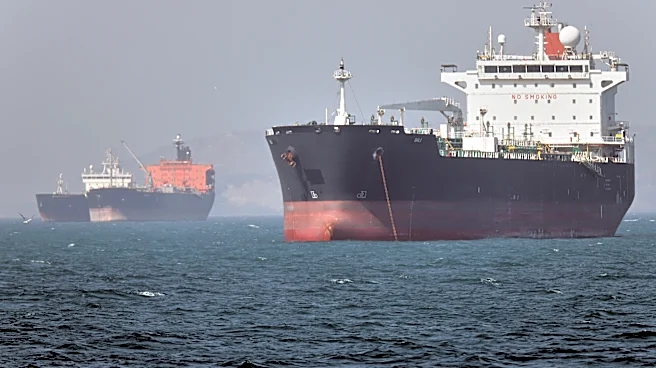
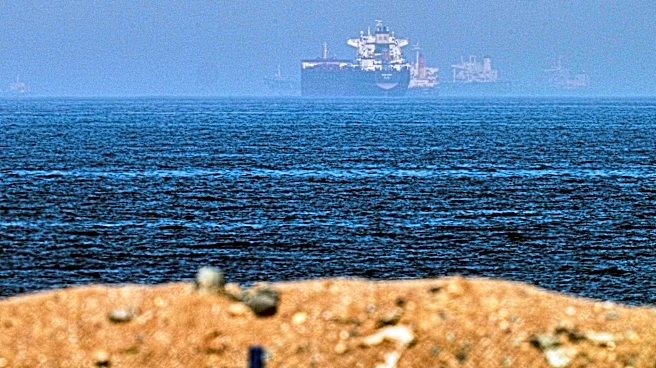
The Strait of Hormuz is a critical waterway for global energy and trade, and any disruption could have significant economic repercussions worldwide. The proposed UN resolution and the formation of a maritime coalition underscore the strategic importance of maintaining open and secure shipping lanes. The situation tests international diplomatic relations, particularly with China and Russia, who have previously vetoed similar resolutions. The outcome of these negotiations could influence future international maritime security policies and the balance of power in the Middle East.
What's Next?
The UN Security Council is expected to vote on the resolution soon, with the US aiming to finalize negotiations quickly. The resolution's passage could lead to increased diplomatic and military pressure on Iran. The proposed Maritime Freedom Construct aims to establish a security framework for the region, potentially involving a Franco-British mission. The international community will be closely watching the responses from China and Russia, as their support or opposition could significantly impact the resolution's success and the broader geopolitical landscape.
Beyond the Headlines
The situation in the Strait of Hormuz highlights the complexities of international maritime law and the challenges of enforcing it in contested regions. The involvement of multiple countries in the proposed maritime coalition reflects the global stakes involved in maintaining open sea lanes. The resolution's outcome could set a precedent for how the international community addresses similar conflicts in strategic waterways. The ongoing tensions also raise questions about the effectiveness of the UN in resolving international disputes and the role of major powers in shaping global security policies.