


What's Happening?
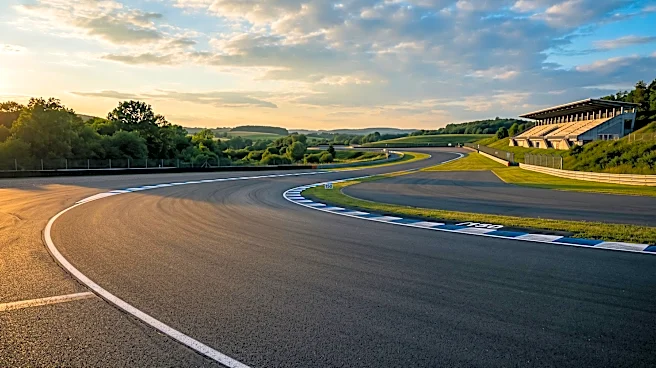
Across the United States, local racetracks are facing increasing threats from noise and nuisance lawsuits filed by nearby property owners. This trend has prompted several state legislatures to introduce and pass 'right to race' laws, designed to protect
existing motorsports facilities from such complaints. So far, Iowa, Kansas, North Carolina, and South Carolina have enacted these laws, with similar bills advancing or being introduced in 12 other states. The Specialty Equipment Market Association (SEMA), a nonprofit representing the automobile aftermarket and racing industry, reports a nearly 25% decrease in motorsports facilities over the past 25 years, from approximately 2,000 to 1,500. Joshua Vadeboncoeur, who studies the racing industry at Gardner-Webb University, notes that neighborhoods have gradually moved closer to tracks, leading to increased complaints. Even frivolous lawsuits can impose significant legal fees on tracks, many of which operate on narrow margins, making the legal process itself a punishment.
Why It's Important?
The proliferation of 'right to race' laws is significant for the U.S. motorsports industry and the communities that host these facilities. Racetracks, particularly in smaller towns and rural areas, serve as vital economic drivers, attracting tourists and supporting local businesses. Beyond the economic impact, they represent a crucial piece of social infrastructure, providing a gathering place and fostering a sense of community for racing enthusiasts and families. The closure of these tracks due to nuisance complaints or rising land values results in not only economic loss but also a significant cultural and social void. These laws aim to preserve a long-standing American pastime and protect the livelihoods of those involved in the racing industry, from promoters and drivers to local vendors. Without such protections, the future of grassroots motorsports, which often serves as a starting point for aspiring professional racers, is at risk.
What's Next?
The trend of 'right to race' legislation is expected to continue, with more states likely to consider similar bills to protect their local racetracks. For tracks in states without these laws, like Shenandoah Speedway in Virginia, the future remains uncertain, as they face potential risks from future residential development and subsequent nuisance complaints. The ongoing debate will likely involve balancing property owners' rights to peace and quiet with the economic and cultural contributions of motorsports facilities. Stakeholders, including SEMA and local track operators, will continue to advocate for these protections, emphasizing the historical presence of these tracks and their community benefits. The success of these laws in the four states where they are enacted will serve as a model for others, potentially leading to a more widespread adoption of policies that safeguard the future of motorsports in the U.S. The discussion may also evolve to include zoning regulations and land use planning to prevent future conflicts.
Beyond the Headlines
Beyond the immediate legal and economic implications, the 'right to race' movement touches upon broader themes of rural development, land use, and the preservation of cultural heritage in the face of urbanization. As suburban and exurban areas expand, conflicts between established industries and new residents often arise, highlighting the tension between traditional ways of life and evolving community expectations. The issue also raises questions about the 'first in time' principle in land use, where existing operations are challenged by later arrivals. The social fabric of communities is often intertwined with local institutions like racetracks, which provide intergenerational activities and a sense of identity. The potential loss of these venues represents a gradual erosion of unique American cultural landscapes and the diverse recreational opportunities they offer. This legislative effort is not just about noise; it's about defining the character of communities and protecting spaces that foster passion, skill development, and social connection.