








What's Happening?
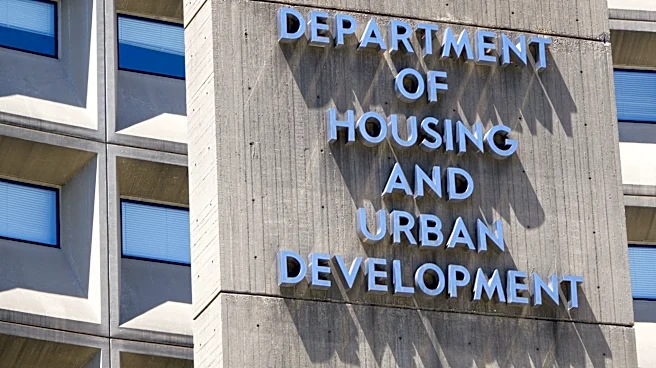
The U.S. Department of Housing and Urban Development (HUD) has launched the Low-Income Housing Tax Credit (LIHTC) Express Lane Initiative, effective immediately, through Mortgagee Letter 2026-13. This program aims to significantly reduce Federal Housing Administration
(FHA) processing times for Section 221(d)(4) new construction loans, specifically targeting highly experienced LIHTC developers. The initiative introduces several key changes from the previous 2019 LIHTC Pilot program, including the removal of the deferred developer fee requirement and the elimination of the maximum project size limit of fewer than 200 units. Additionally, new-construction 4% LIHTC transactions with tax-exempt bonds are now eligible, and the maximum loan-to-cost (LTC) limit reverts to the standard 80% allowed under the Housing and Economic Recovery Act. The Express Lane also streamlines early deliverables and maintains a 30-day firm commitment timeline for complete applications. Eligibility is restricted to new-construction projects with LIHTC-restricted rents, excluding those with HUD Multifamily Section 8 project-based rental assistance. Developers, general contractors, architects, and management agents must meet stringent experience, liquidity, and portfolio stability criteria to qualify.
Why It's Important?
This initiative is crucial for addressing the ongoing need for affordable housing in the U.S. By expediting FHA financing for experienced LIHTC developers, HUD aims to accelerate the construction and delivery of new affordable housing units. The streamlined process reduces bureaucratic hurdles and financial constraints, such as the previous requirement for deferred developer fees and lower loan-to-cost limits, making it more attractive for developers to undertake these projects. This could lead to an increase in the supply of affordable housing, benefiting low-income communities and individuals struggling with housing costs. The focus on experienced developers and contractors also suggests an emphasis on quality and efficiency in project execution. However, the strict eligibility criteria mean that smaller or less experienced developers may not benefit from this expedited process, potentially concentrating affordable housing development among a select group of established entities. The initiative aligns with Executive Order 14394, "Removing Regulatory Barriers to Affordable Home Construction," underscoring a broader governmental effort to tackle housing affordability.
What's Next?
Developers and owners are advised to benchmark their teams to ensure they meet the stringent experience, liquidity, and net worth thresholds before committing to an Express Lane timeline. Engaging with MAP lenders early and front-loading environmental work, such as Tribal, Section 106, floodplain/wetland, and endangered species materials, will be critical for successful application. Furthermore, developers should revisit their deal structures, reassessing leverage, developer fee deferral, and equity pay-in schedules in light of the new 80% LTC and 10% initial equity requirement. HUD will continue to track the implementation of the LIHTC Express Lane, and further guidance or adjustments may be issued based on its effectiveness. The initiative's success will likely be measured by the reduction in processing times and the subsequent increase in affordable housing unit production across the nation.
Beyond the Headlines
The LIHTC Express Lane Initiative represents a strategic shift in how HUD approaches affordable housing development, prioritizing efficiency and leveraging the expertise of established developers. While the immediate goal is to accelerate project timelines, the long-term implications could include a more robust and responsive affordable housing sector. However, the emphasis on experienced entities might inadvertently create barriers for emerging developers or those focused on smaller-scale, community-led projects. This could lead to a consolidation of affordable housing development within larger, more established firms. The initiative also highlights the ongoing tension between regulatory oversight and the need for speed in addressing critical social issues like housing shortages. The balance between maintaining rigorous standards and streamlining processes will be a continuous challenge, especially as environmental regulations and market conditions evolve. The success of this program could set a precedent for similar 'express lane' approaches in other federally supported development areas.