





What's Happening?
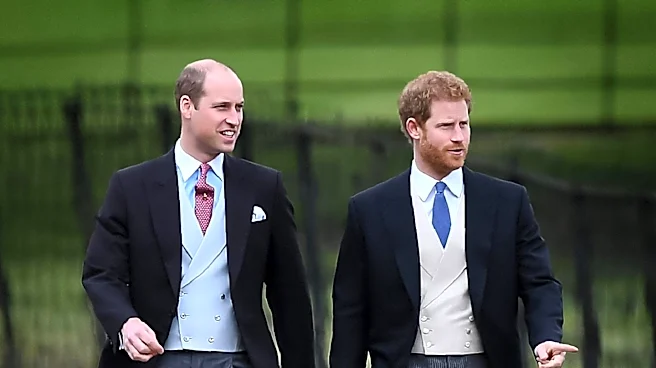
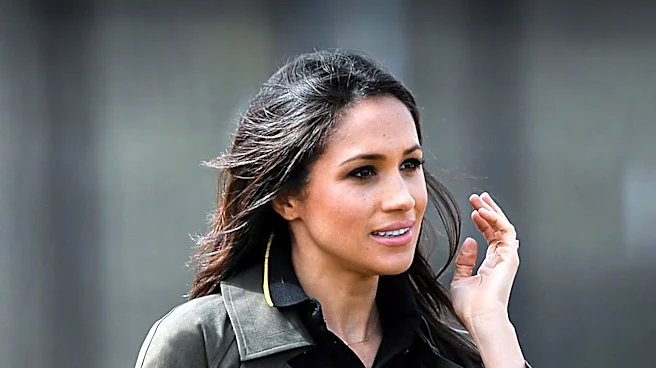
Prince Harry is reportedly 'shocked' by Prince William's decision to ignore his return to the UK, according to sources. Harry, along with his wife Meghan Markle and their two children, Prince Archie and Princess Lilibet, moved back to Britain in August.
While Harry cited 'opportunities' as the reason for the move, a desire to be closer to his royal relatives after six years in the US was also a motivating factor. However, this physical proximity has not led to a reconciliation between the brothers, who remain on non-talking terms. A source told RadarOnline.com that Prince William is 'acting like Harry and Meghan don't exist,' viewing this as his way of handling a 'wretchedly unpleasant situation.' This stance has reportedly 'infuriated' Prince Harry, who has expressed a desire to reconcile and is genuinely surprised by William's lack of forgiveness. Tensions between the brothers have been high since Harry stepped back from royal duties in 2020, with Harry's 2023 memoir 'Spare' believed to be a significant factor in William's continued estrangement.
Why It's Important?
The ongoing rift between Prince Harry and Prince William carries significant implications for the public perception and future stability of the British monarchy. For the U.S., where Prince Harry and Meghan Markle have established a new life and media presence, this continued estrangement impacts their public narrative and potential for future endeavors. The lack of reconciliation, despite Harry's physical return to the UK, underscores the deep-seated nature of their disagreements, which have been extensively covered by global media. This situation could further solidify the perception of a divided royal family, potentially affecting public sentiment and the monarchy's image both domestically and internationally. For Harry, William's refusal to engage could influence his future decisions regarding his public role and his relationship with the UK, potentially leading to further public statements or actions aimed at expressing his frustration or seeking resolution. The dynamic between the brothers remains a key point of interest, shaping narratives around duty, family, and personal freedom within a royal context.
What's Next?
The immediate future suggests a continued period of estrangement between Prince Harry and Prince William, with no apparent signs of an imminent reconciliation. Prince William's current stance of ignoring his younger brother's return indicates a firm position, likely influenced by past events, including Harry's memoir. While King Charles has reportedly made efforts to engage with both sons, his busy schedule has prevented him from seeing Harry and his family since their return to the UK. This suggests that any potential reconciliation would likely need to originate from a shift in William's perspective or a more direct intervention from King Charles. Harry's reported 'infuriation' and past impulsiveness could lead to further public expressions of his desire for reconciliation or his frustration with the situation. The ongoing lack of communication between the brothers, even when physically closer, points to a prolonged period of unresolved tension within the royal family.
Beyond the Headlines
The persistent rift between Prince Harry and Prince William transcends a mere family dispute, touching upon broader themes of public duty, personal autonomy, and the evolving role of modern monarchies. The public nature of their disagreement, amplified by media coverage and Harry's candid revelations, has sparked global conversations about the pressures faced by individuals within highly scrutinized institutions. Ethically, the situation raises questions about the balance between personal grievances and the perceived need for a united public front from the royal family. Legally, while not directly impacting U.S. law, the narrative surrounding Harry and Meghan's move to the U.S. and their subsequent media engagements has contributed to discussions about privacy, freedom of speech, and the responsibilities of public figures. Culturally, the ongoing estrangement reflects a modern challenge to traditional hierarchical structures, where individual desires for authenticity and emotional well-being clash with centuries-old expectations of duty and decorum. This dynamic could contribute to a long-term shift in how royal families are perceived and how their members navigate their public and private lives in an increasingly transparent world.