





What's Happening?
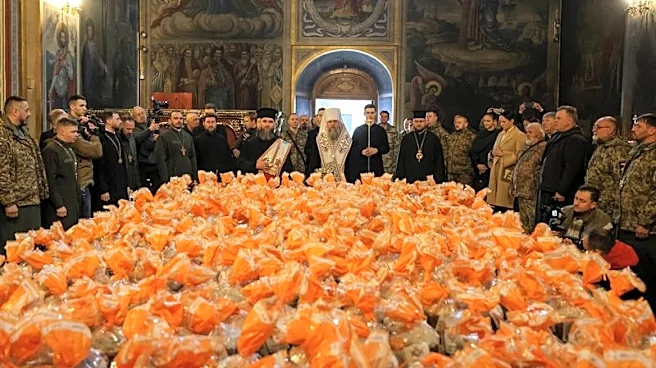
Russian President Vladimir Putin has announced a 32-hour ceasefire with Ukraine to coincide with the Orthodox Easter holiday. This decision follows an earlier proposal from Ukrainian President Volodymyr Zelensky, who had suggested a pause in hostilities
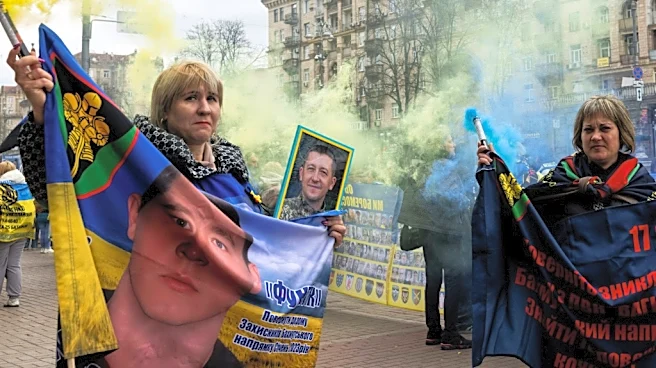
during the Easter period. The ceasefire is set to begin at 4 p.m. Saturday and last until the end of Sunday. The Kremlin has instructed Russian forces to halt combat operations during this time, while remaining prepared to counter any provocations or aggressive actions. The United States has been mediating talks between Moscow and Kyiv as the conflict enters its fifth year. Despite previous attempts to secure ceasefires, including a 30-hour ceasefire last Easter, both sides have accused each other of violations. The ongoing war has seen Russia occupy approximately 20% of Ukraine's internationally recognized territory, including Crimea and parts of several regions.
Why It's Important?
The ceasefire represents a temporary respite in a conflict that has persisted for years, affecting millions of lives and destabilizing the region. The involvement of the United States in mediating talks highlights the international dimension of the conflict and the global interest in achieving peace. However, the ceasefire's success is uncertain, given past failures and the complex territorial disputes between Russia and Ukraine. Russia's demands for Ukraine to surrender territories it has annexed remain a significant obstacle to lasting peace. The ceasefire could provide a brief period of relief for civilians in the affected areas, but the broader implications for peace negotiations and regional stability remain uncertain.
What's Next?
Following the ceasefire, the focus will likely return to diplomatic efforts to resolve the conflict. The United States and other international actors may continue to push for negotiations, although Russia's territorial demands pose a significant challenge. The ceasefire could serve as a foundation for further talks if both sides adhere to the agreement. However, the potential for renewed hostilities remains high, especially if provocations occur during the ceasefire period. The international community will be closely monitoring the situation, hoping for a breakthrough in peace efforts.