






What's Happening?
Representatives from Israel and Lebanon met in Washington for the first time in 33 years to discuss a long-term vision for peace. The talks, hosted by U.S. Secretary of State Marco Rubio, aim to establish a clear border and promote economic cooperation.
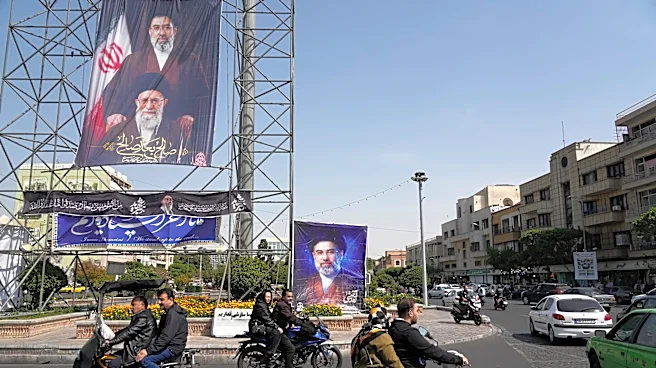
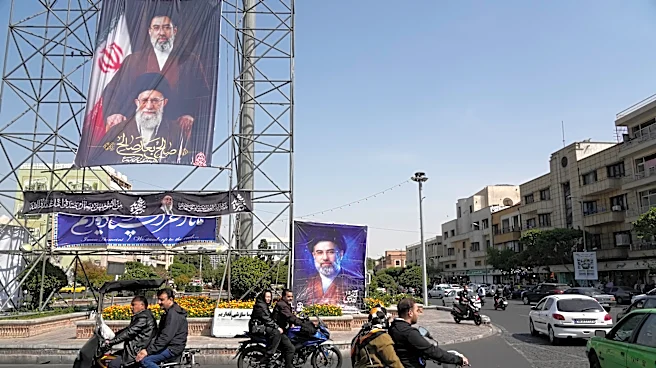
However, the discussions are overshadowed by Hezbollah's continued influence and its alignment with Iran. The Lebanese government struggles to assert control over Hezbollah, raising questions about the feasibility of achieving lasting peace.
Why It's Important?
The talks signify a potential shift in diplomatic relations between Israel and Lebanon, offering a glimmer of hope for peace in a historically volatile region. The discussions highlight the complexities of negotiating with a government that lacks full control over its territory due to Hezbollah's presence. The outcome of these talks could influence regional stability and impact U.S. foreign policy in the Middle East. The situation underscores the importance of addressing non-state actors in peace negotiations.
What's Next?
The talks may lead to proposals for a layered security arrangement in southern Lebanon, involving demilitarized zones and international oversight. The success of these efforts will depend on Lebanon's ability to assert sovereignty and reduce Hezbollah's influence. Continued diplomatic engagement by the U.S. and other international actors will be crucial in supporting Lebanon's independence and promoting regional stability. The situation remains fluid, with potential for both progress and setbacks.
Beyond the Headlines
The talks highlight the broader geopolitical dynamics in the Middle East, including the role of Iran and the challenges of addressing non-state actors like Hezbollah. The situation raises questions about the effectiveness of traditional diplomatic frameworks in resolving complex conflicts. It also underscores the importance of international cooperation in promoting peace and stability in the region.