








What's Happening?
The city of Montgomery has been awarded a $750,000 federal grant from the National Park Service's Historic Preservation Fund, specifically through its African American Civil Rights program. This funding is designated for the rehabilitation and repair
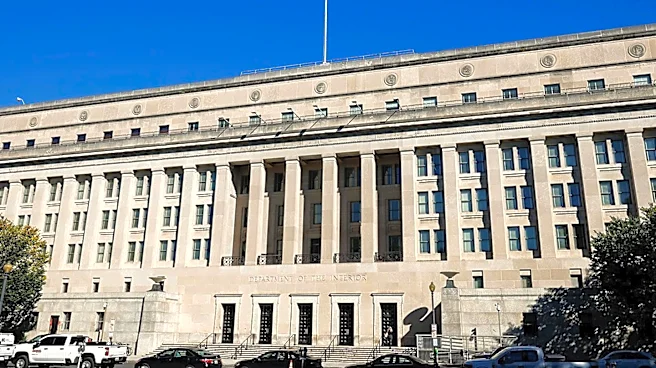
of the historic St. Jude Hospital building. The project will encompass architectural services, the creation of historic structure reports, development of preservation plans, and physical preservation work, all adhering to the Secretary of the Interior’s Standards and Guidelines for Archeology and Historic Preservation. St. Jude Hospital holds significant historical importance, particularly for its role in the 1965 Selma-to-Montgomery voting rights march. The campus served as the final campsite for marchers before their concluding walk to the Alabama State Capitol and hosted the 'Stars for Freedom' rally, featuring prominent artists like Nina Simone and Joan Baez. Founded in the 1930s by Rev. Harold Purcell, the City of St. Jude campus provided essential health, education, and social services to Black residents during the era of segregation, with St. Jude Hospital opening in 1951 as the Southeast's first integrated hospital.
Why It's Important?
This grant is crucial for preserving a pivotal site in American civil rights history. The St. Jude Hospital building is not merely an old structure but a tangible link to the struggles and triumphs of the voting rights movement. Its preservation ensures that future generations can connect with the physical spaces where significant historical events unfolded, fostering a deeper understanding of the sacrifices made for civil liberties. The rehabilitation project will stabilize the building, preventing further deterioration and safeguarding its historical integrity. Furthermore, the investment underscores a national commitment to recognizing and maintaining sites that tell the story of the African American experience and the broader fight for equality. For Montgomery, it reinforces the city's role as a key location in the civil rights narrative and can potentially boost heritage tourism, drawing visitors interested in American history.
What's Next?
The immediate next steps involve initiating the architectural services and detailed planning required for the preservation work. This will include comprehensive assessments of the building's condition and the development of specific rehabilitation strategies in line with federal preservation standards. Mayor Steven L. Reed has expressed that the grant will help stabilize and rehabilitate the historic hospital building, indicating that the focus will be on structural integrity and historical accuracy. The project will likely proceed in phases, beginning with documentation and planning, followed by the physical preservation work. Community engagement and oversight will be important to ensure the project aligns with historical significance and community values. The successful completion of this project could also serve as a model for preserving other civil rights landmarks across the nation.
Beyond the Headlines
The preservation of St. Jude Hospital extends beyond mere structural repair; it is an act of historical memory and reconciliation. By investing in such sites, the nation acknowledges the profound impact of the civil rights movement and the enduring legacy of systemic inequality. This effort contributes to a more complete and nuanced understanding of American history, ensuring that the narratives of marginalized communities are not forgotten. Ethically, it represents a commitment to historical truth and justice, providing a physical space for reflection and education on past struggles. Legally, adherence to preservation standards ensures that the historical authenticity of the site is maintained, protecting its value as a national treasure. Culturally, it reinforces the importance of these landmarks as symbols of resilience and progress, inspiring ongoing efforts toward social justice and equality.