







What's Happening?
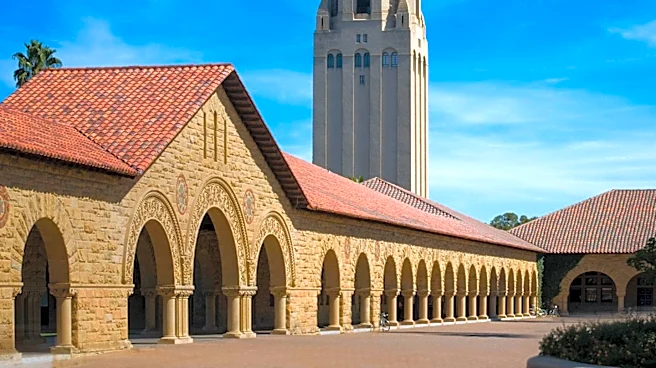
Stanford University's Democracy Action Lab (DAL), an initiative of the Center on Democracy, Development and the Rule of Law, has officially launched the first cohort of its Democracy Garage. This program is designed as an accelerator to strengthen frontline
democracy defenders across Latin America and the Caribbean. The Democracy Garage aims to bridge the gap between high-level research and the operational needs of organizations working on the ground. It will collaborate with eight organizations from Colombia, Brazil, and Peru, as well as regional and global groups, to co-develop strategies tailored to specific democratic challenges. The program is structured around three tracks: evidence analysis for democratic strategizing, training and capacity building in areas like AI for activism and storytelling, and platform building for systemic impact. DAL co-director Beatriz Magaloni, the Graham H. Stuart Professor of International Relations, emphasized the program's commitment to building a community of strategy and solidarity to strengthen democracy.
Why It's Important?
This initiative is important because it addresses a critical need for practical support and strategic development for organizations actively defending democracy in Latin America and the Caribbean. By combining academic rigor with an accelerator model, the Democracy Garage seeks to enhance the capacity of these groups to respond effectively to democratic erosion. The focus on evidence-based strategies, AI applications, and coalition-building can significantly improve the efficacy of democratic defense efforts. The program's regional scope and emphasis on cross-border solidarity acknowledge that democratic challenges often transcend national borders, requiring coordinated responses. Strengthening these organizations can lead to more resilient democratic institutions and processes in a region that has experienced significant political instability and challenges to democratic governance. The involvement of a prestigious U.S. academic institution like Stanford also lends credibility and resources to these efforts.
What's Next?
Over the next few months, the Democracy Action Lab will work closely with the eight selected organizations, applying its structured accelerator methodology. This collaboration will focus on co-developing strategies to address specific democratic challenges in each country. The program will culminate in a Regional Synergy Meeting in August 2026, where participating organizations will present their platform visions and lay the groundwork for regional coordination. This meeting is expected to foster greater collaboration and a more unified approach to democratic defense across Latin America and the Caribbean. The success of this initial cohort could lead to future iterations of the Democracy Garage, potentially expanding its reach or refining its methodology based on lessons learned from this pioneering effort. The long-term goal is to build lasting capacity within these organizations, enabling them to proactively counter threats to democracy.
Beyond the Headlines
The Democracy Garage represents a deeper shift in how academic institutions are engaging with real-world political challenges. By moving beyond theoretical research to direct, hands-on support for frontline activists, Stanford's DAL is setting a precedent for applied scholarship in the field of democracy promotion. This approach acknowledges that the defense of democracy requires not just intellectual understanding but also practical tools, strategic thinking, and robust networks. The inclusion of 'AI for activism' in the training track highlights the evolving nature of democratic defense, recognizing the dual potential of technology to both threaten and support democratic processes. This initiative also underscores the ethical imperative for institutions with significant resources and expertise to contribute to global democratic resilience, particularly in regions facing significant pressures. It suggests a growing recognition that the health of democracy abroad has implications for global stability and, indirectly, for U.S. interests.